Chaozhou cuisine
Chaozhou cooking is built on clarity and freshness, on heat and knife work, and on an order of dishes at the table. It is not the name of a cuisine so much as a way of handling ingredients.
1. The base
The character of Chaozhou food is usually summed up in four phrases: clear without being thin, fresh without being fishy, tender without being raw, rich without being greasy. All four say the same thing — let the ingredient lead, and do not cover it with seasoning. So the method weighs three things: heat (cooked through but not tired), knife work (sliced thin, cut even), and stock (a clear stock to lift the flavour).
Geography sets the ingredients. On the coast, seafood carries the weight; on the silt the Han River lays down, vegetables and fruit grow well; in the hills there is tea. This is an explanation, not a ranking.
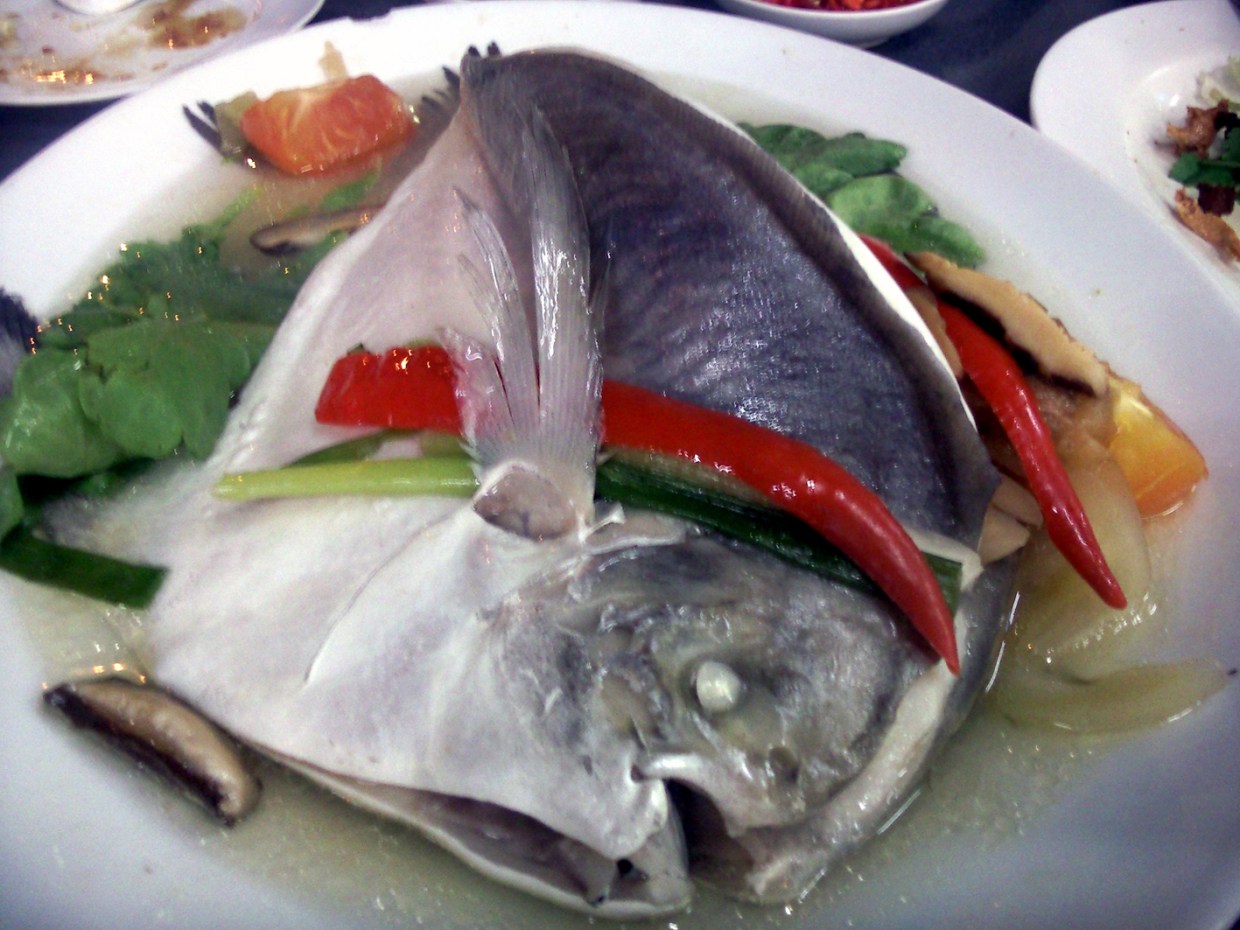
Shop talk and proverb are another layer of the record. “Fierce fire, thick lard, fragrant fish sauce” names the three things a cook leans on. “Vegetables cooked as meat — the vegetable comes to the table, the meat stays in the pot” describes simmering vegetables with meat to borrow its flavour and picking the meat out before serving. “For fish, mackerel and pomfret; for opera, Su Liuniang” puts the best fish beside the best play, and shows how far seafood is prized. “Grass carp for the head, carp for the throat” is about the best mouthful of each fish. Proverbs are oral, and counties differ; the common forms are given here.
Chaozhou cooking technique entered the fifth national list of intangible cultural heritage in 2021, item Ⅷ-271, applicant region Chaozhou, Guangdong, custodian the Chaozhou Cultural Centre (Chaozhou Intangible Cultural Heritage Protection Centre), Guofa [2021] No. 8. What is listed is a technique, not a menu of dishes. That distinction is often read as “Chaozhou food as a whole is now heritage”, which the document does not say.
2. At the table
Dishes follow an order: cold before hot, savoury before sweet, soup in the middle or at the end, with county variation. The number of dishes tends to run even. The rules of the banquet are set out under banquet rites and are not repeated here.
3. Its relation to kueh and tea
Chaoshan eating has two systems, and they are not written up together: dishes belong to the table, kueh belongs to offerings and the ritual year. Kueh is judged by fitness for the occasion, not by how good it tastes.
Gongfucha sits at the end of the meal or outside it altogether, closing the procedure of receiving a guest. Business in Chaoshan is more often talked over tea than over a table of dishes.
4. One line drawn
No must-eat list, no shop recommendations. The reason is practical: a shop’s quality changes with time, and a written recommendation dates; it also edges into commerce, which conflicts with a reference work. What is written here is method, origin and county difference.
Note on sources
Item number, applicant region and custodian come from the State Council notice publishing the fifth national list (Guofa [2021] No. 8) and the Ministry of Culture and Tourism’s list of custodians for that batch, checked against the originals and copied item by item.
The four-phrase summary, the serving order at the table and the passage on geography are all common accounts, and no specific document can be named for them. A category note cited in an earlier draft of this page has no verified source either.
Home › Food › Chaozhou cuisine
Last revised: 4 November 2026