Shantou: arcades, emigrant houses, and an island
Shantou never had a city wall; what it has is a treaty port and the marks of emigration. Six national-level monuments, the arcade grid of Little Park as the sample of the type, the Chen Cihong Residence at Longdu in Chenghai, and Nan’ao, which wants a day of its own.
The spots, at a glance
Names link to the Chinese entry pages, where the history, the people and the craft are set out section by section. This English page is the index edition: the status, one line on what it is, and a suggested time.
| Spot | Status | In one line | Time |
|---|---|---|---|
| Little Park Treaty-Port Quarter 小公园开埠区 |
Provincial historic district | Arcades ring a memorial pavilion of 1934; five avenues radiate from it like a fan | 2 hr |
| Chen Cihong Residence 陈慈黉故居 |
Provincial, 4A | A four-horses-drawing-a-carriage plan skinned with Nanyang tiles and Western façades; 506 rooms | 2 hr + travel |
| Zhanglin Old Port 樟林古港 |
— | Where the red-head junks sailed from; a Jiaqing-era wharf was excavated here in 2017 | 1 hr + travel |
| Wenguang Pagoda 文光塔 |
National, 7th batch | A seven-storey stone pagoda, 42 m tall, in Chaoyang’s Miancheng; the gallery can be climbed | 1 hr + travel |
| Qilu Fort 崎碌炮台 |
National, 7th batch | Known as the stone fort, built in 1874 on Fang Yao’s memorial, rammed from lime-sand-clay | 1 hr |
| Eastern Expedition Headquarters 东征军总指挥部, 政治部旧址 |
National, 7th batch | Two small European-style red-brick blocks; Zhou Enlai worked in the east one in 1925 | 40 min |
| Old Customs House 潮海关旧址 |
National, 8th batch | Five structures including the clock tower, the last surviving group of its kind in the city | 1 hr |
| Central Red Transport Line Site 中央红色交通线旧址 |
National, 8th batch | Shantou was the relay on the underground route that ran from Shanghai to the Jiangxi Soviet in the 1930s | 40 min |
| Dadian Patriarch Pagoda 大颠祖师塔 |
National, 8th batch | A Tang bell-shaped tomb pagoda, also called the Tongue Mirror Pagoda; the oldest of its kind here | Half day incl. travel |
| Nan’ao Island 南澳岛 |
— | Guangdong’s only island county: coastal defence works and fishing villages; a full day for the return trip | 1 day |
| Queshi 礐石 |
4A | Forty-three peaks on the south shore of the inner bay; the 1,200-metre Nineteen Grottoes; Piaoran Pavilion looks over the bay | Half day |
| Lotus Peak 莲花峰 |
— | A coastal stone peak at Haimen; legend has it Wen Tianxiang climbed here to look for the boy emperor’s boat | Half day + travel |
| Dahao Walled Town 达濠古城 |
— | Built in 1717, 0.014 km² in area, walls 5.3 m high and 1.35 m thick | 30 min |
| Mayu Island 妈屿岛 |
— | A small island at the harbour mouth with two Mazu temples; the customs post of 1860 stood on it | 1 hr + travel |
Times are this site’s own estimate, not an official figure. Status follows the national and provincial monument lists.
What to eat
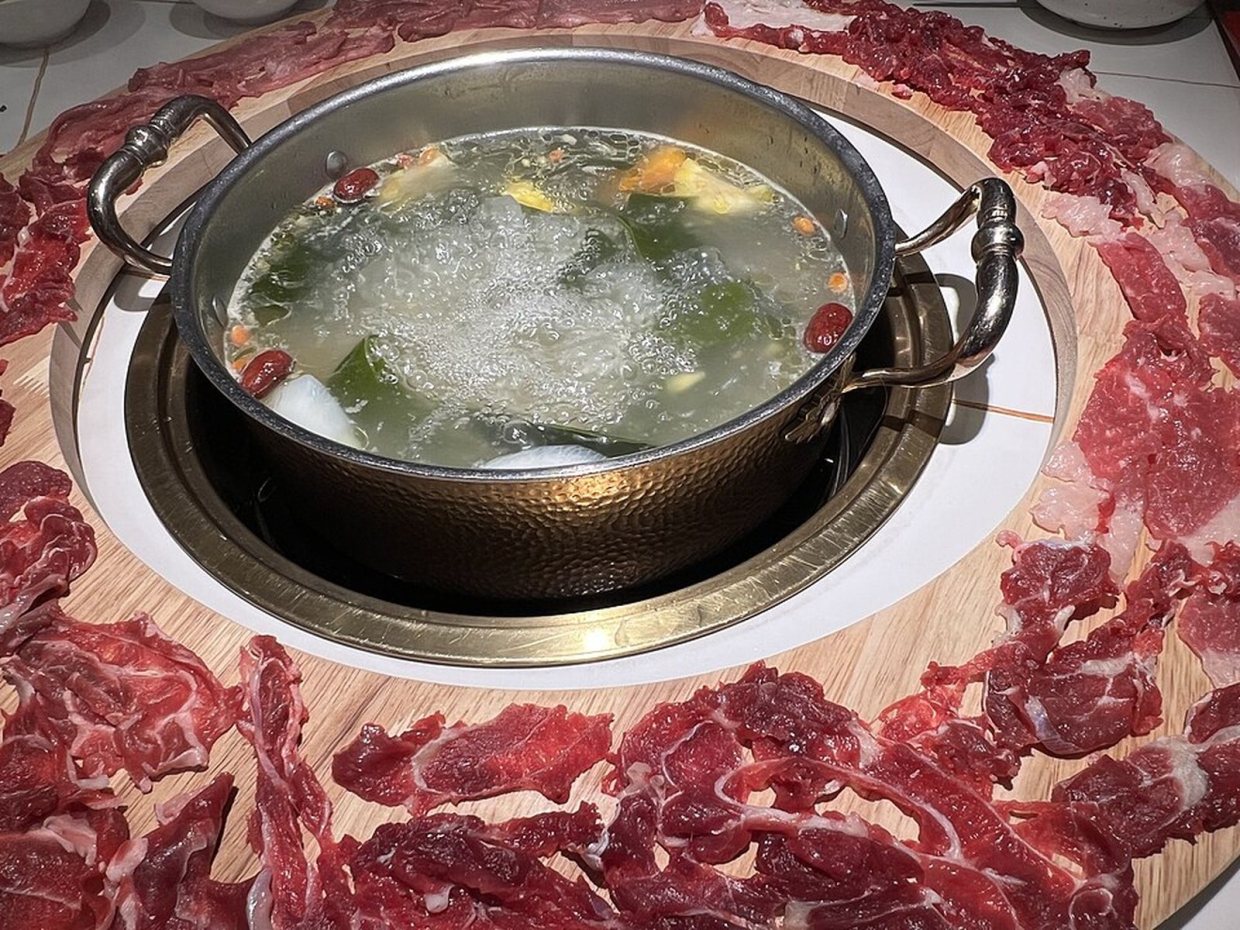
- Beef hotpot:Beef killed, cut and sold the same day, dipped in clear stock for seconds only. A local standard now requires beef content above 90 per cent in the meatballs.
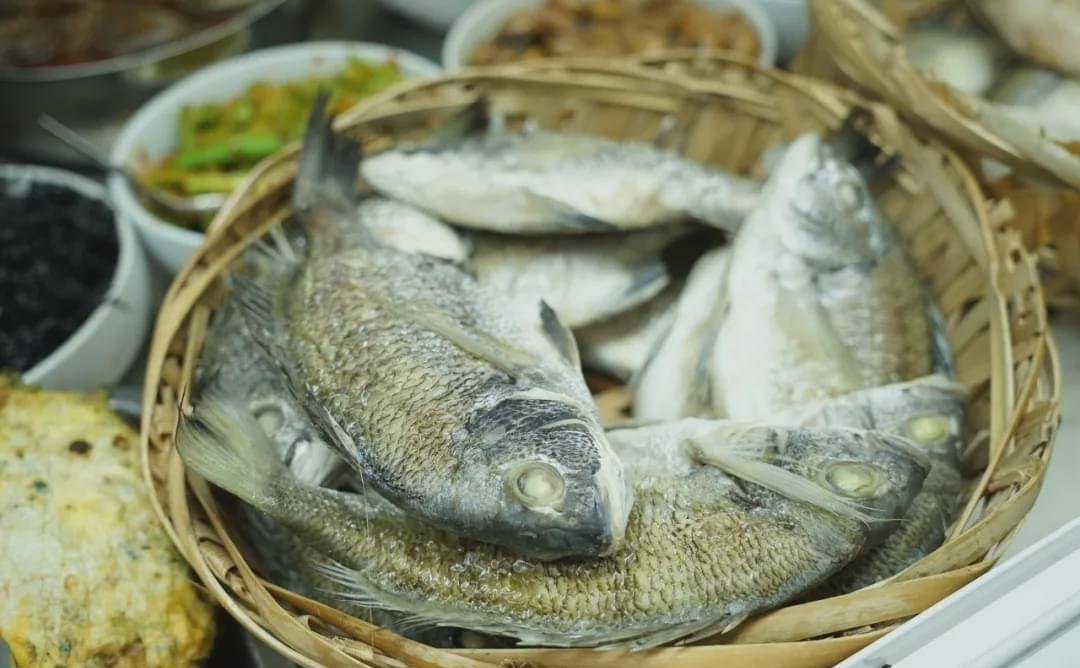
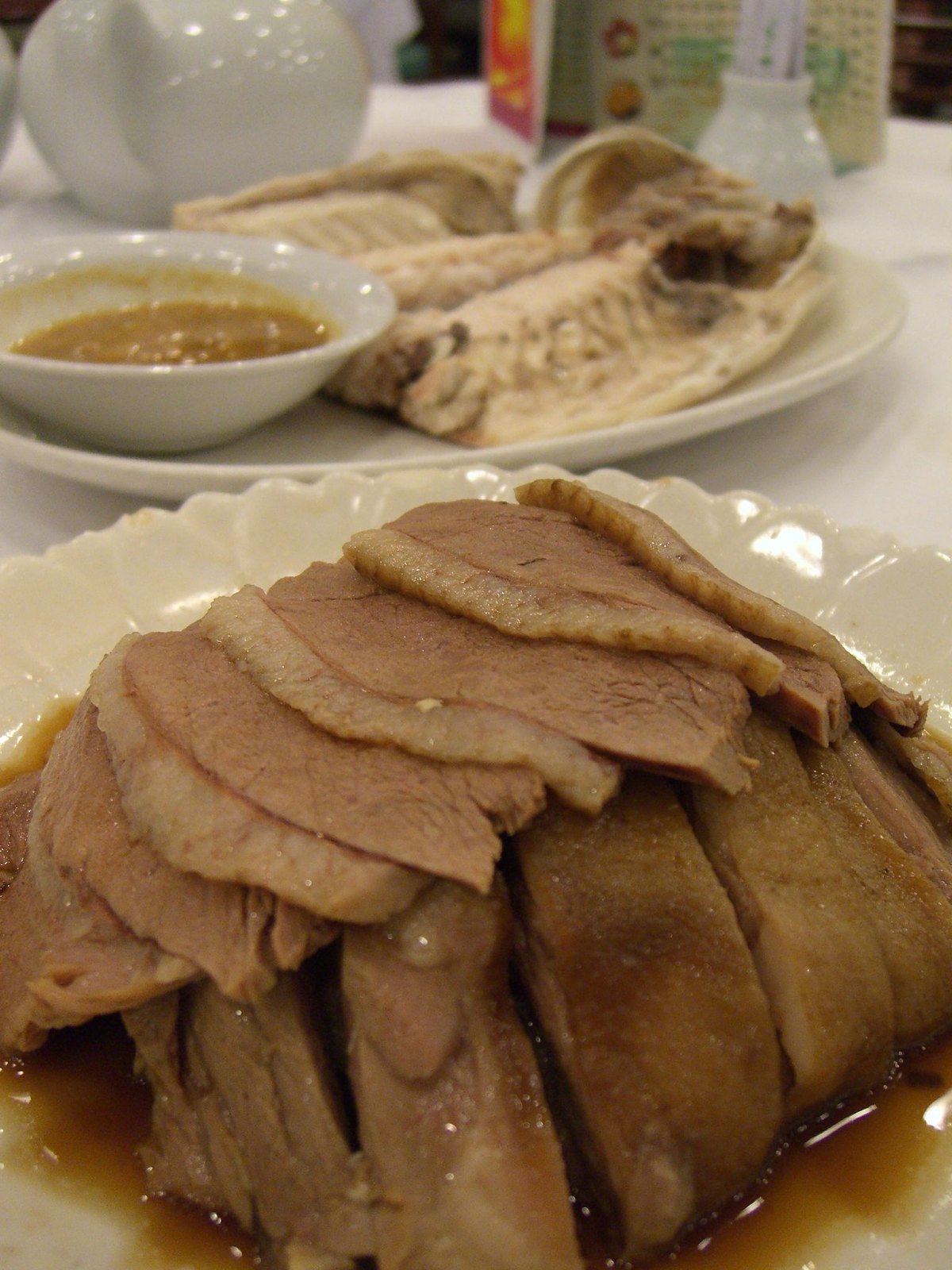
- Fish rice:Horse mackerel, spotted sardine and similar cooked in salt water and chilled; a layer of aspic sets inside the skin. Served with Puning bean paste.
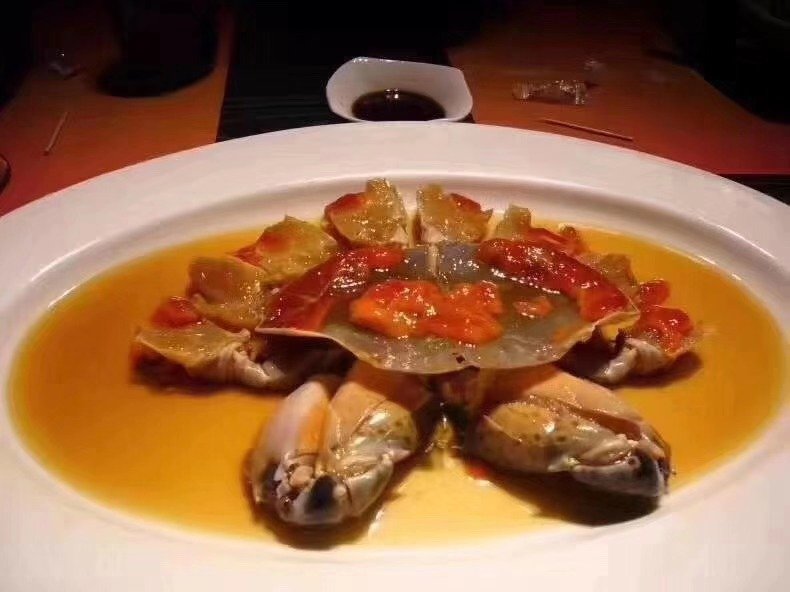
- Raw-cured seafood:Crab, mantis shrimp, shrimp and oysters cured raw — what locals call poison, meaning you cannot stop.
- Braised lion-head goose:Dozens of spices and herbs in the stock; meat, liver, feet and wings as a mixed plate.
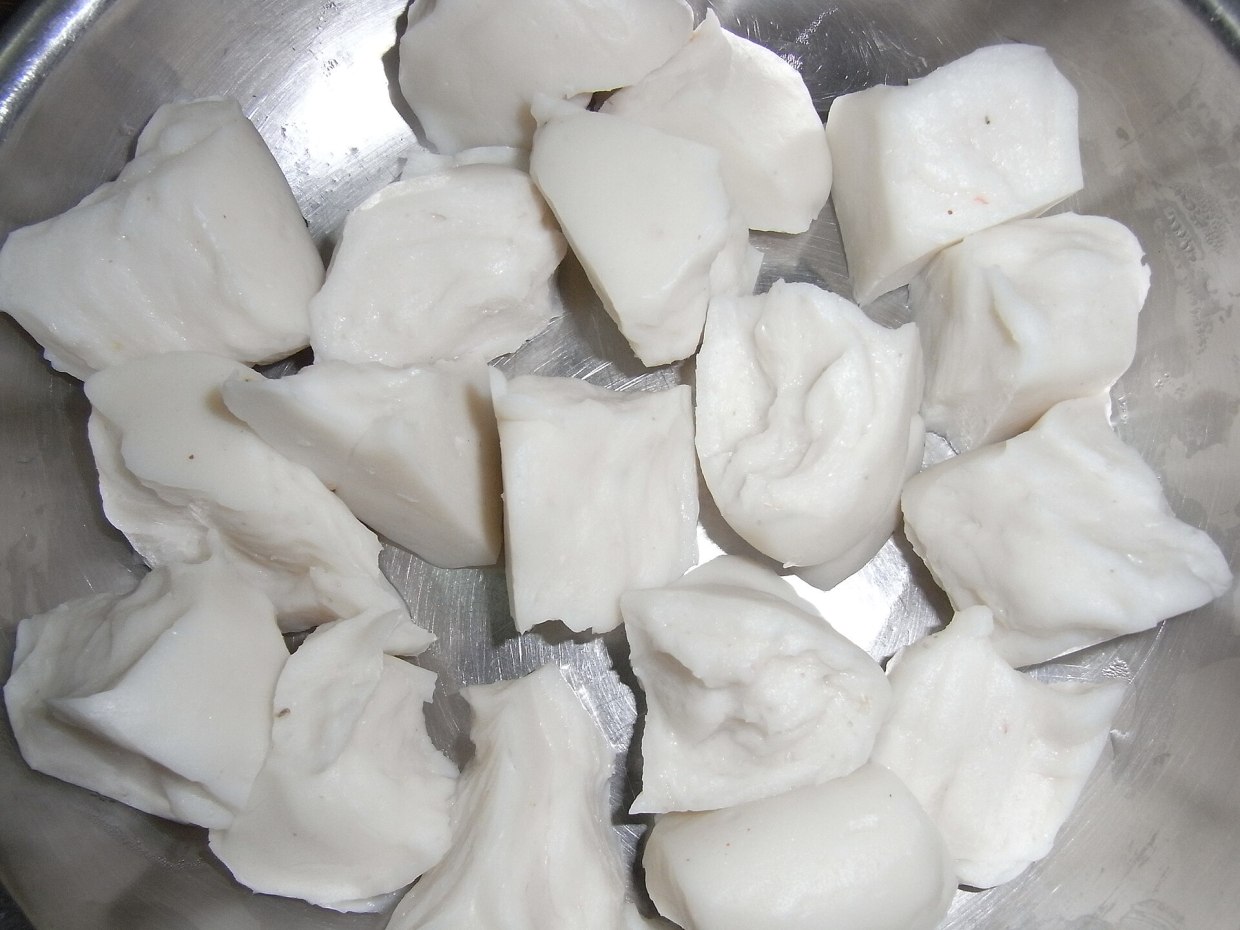
- Dahao fish balls:Fish from the Haojiang harbour pounded into balls springy enough to bounce like a ping-pong ball; a national geographical-indication product.
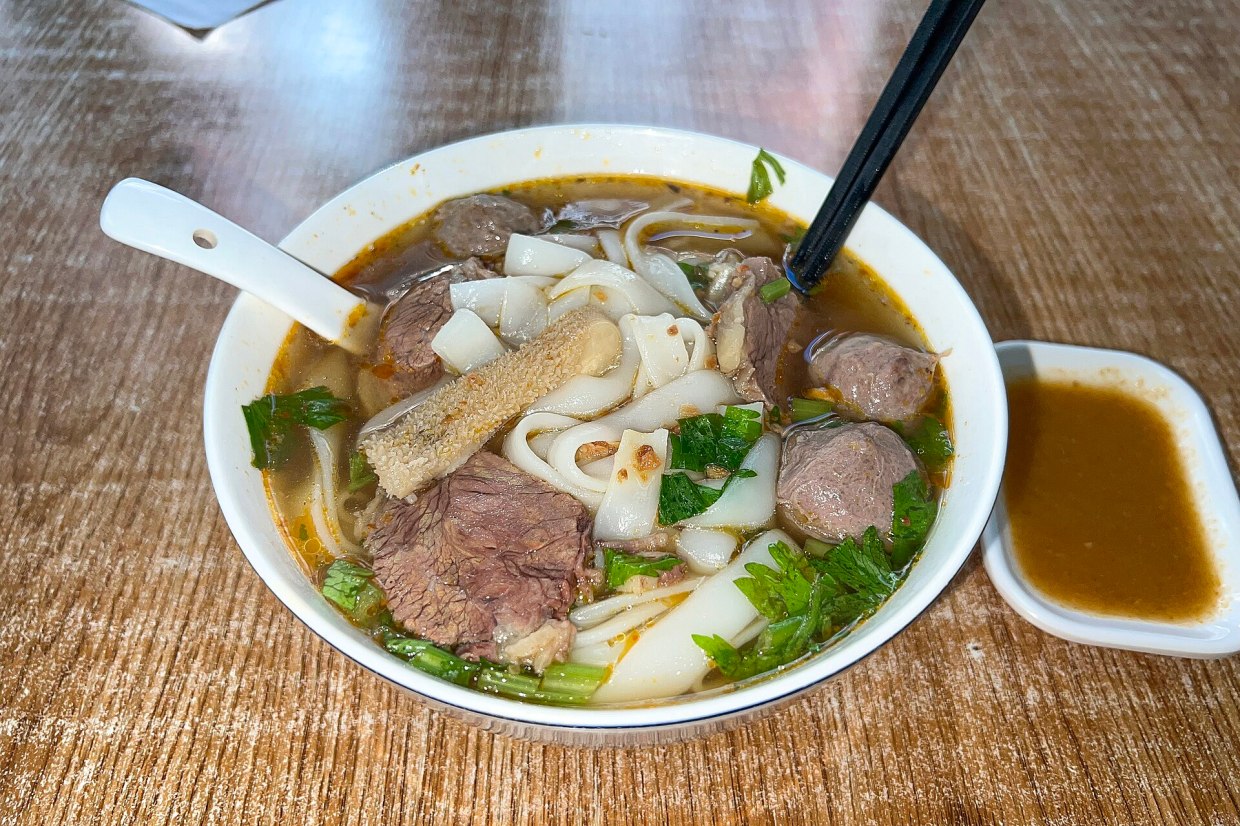
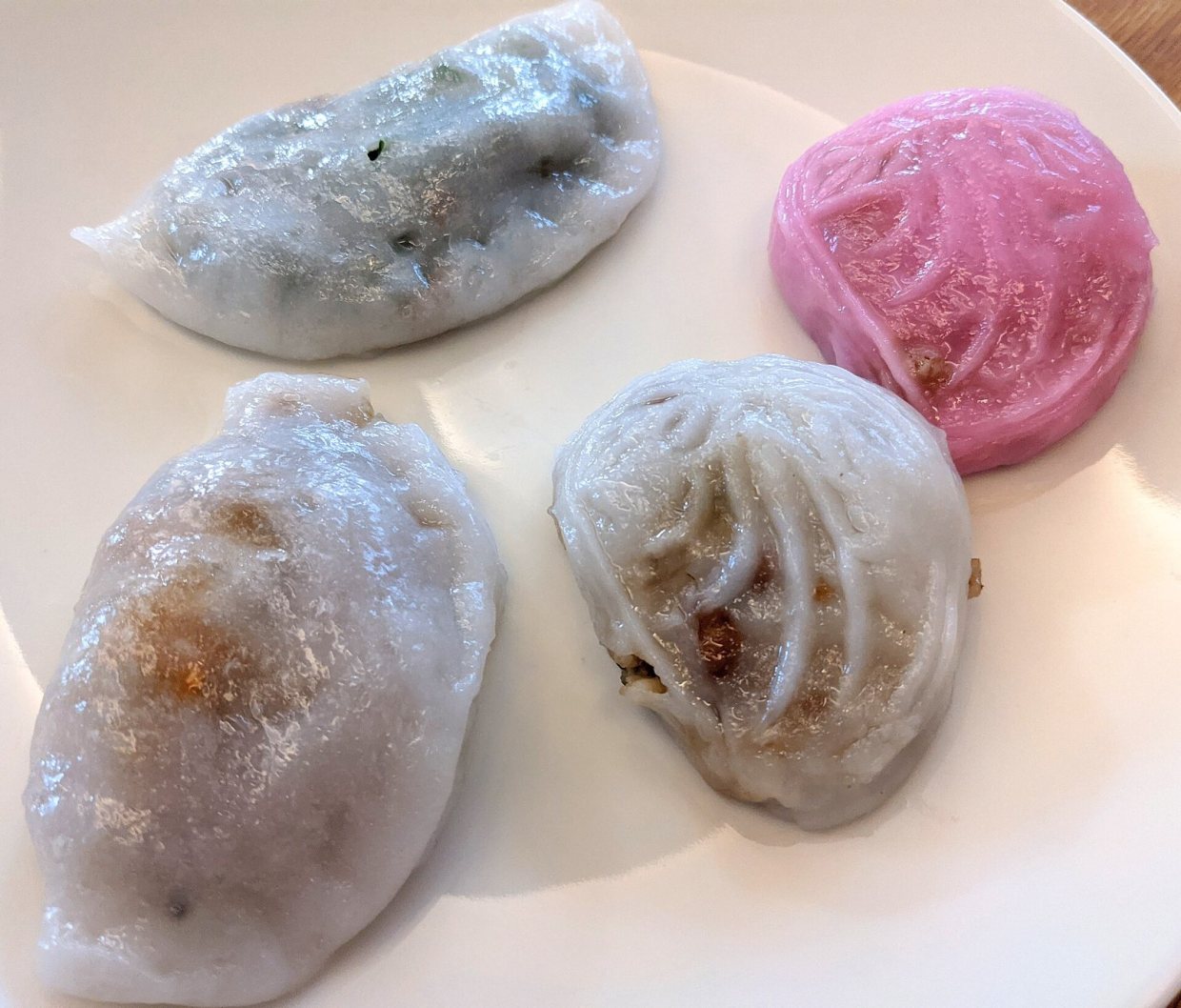
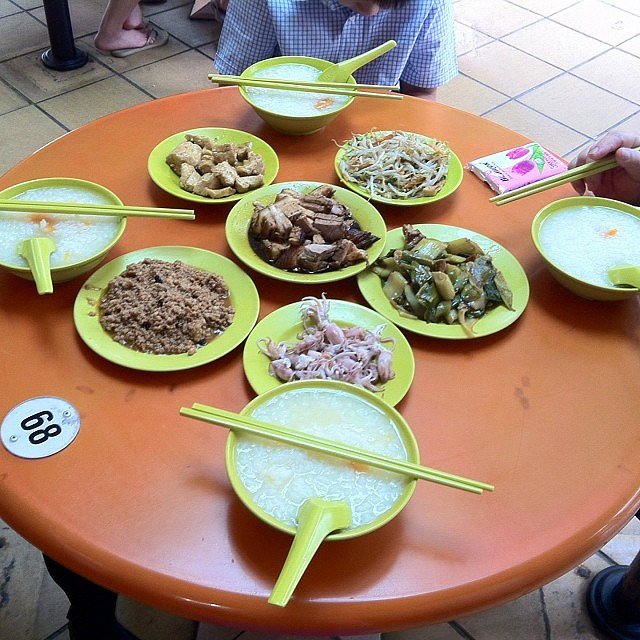
- Everyday breadth:A bowl of white congee with pickles, preserved radish, olive greens and thin-shelled mussels; a hundred kinds of kueh; rice rolls, pork-trotter rice, beef-brisket rice, dry noodles, satay noodles, claypot congee.







Getting there, and where to stay
- Stay around Little Park: walkable at night, close to everything in the old city.
- Shantou station is in the city itself; since the Shantou connecting line opened on 31 December 2018, high-speed trains run into the centre.
- Chaoshan station is at Shaxi in Chaozhou, about twenty-eight kilometres away — if time is short, go to Shantou station instead.
The Chinese page of this city carries the full detail: the eight views, routes by interest, and the entries each spot links to.