Mayu Island
The island at the mouth of Shantou harbour. Two Mazu temples stand on it; the old name was “Chicken-releasing Hill”, and the nickname was “the key to the customs house” — when Shantou opened as a treaty port in 1860, the foreign customs office was set up here.
In one line The island is small; what you look at is the position it holds across the throat of the harbour.
Look for The two Mazu temples · the remains of the customs house · ships entering and leaving, seen from the island
What to see in it
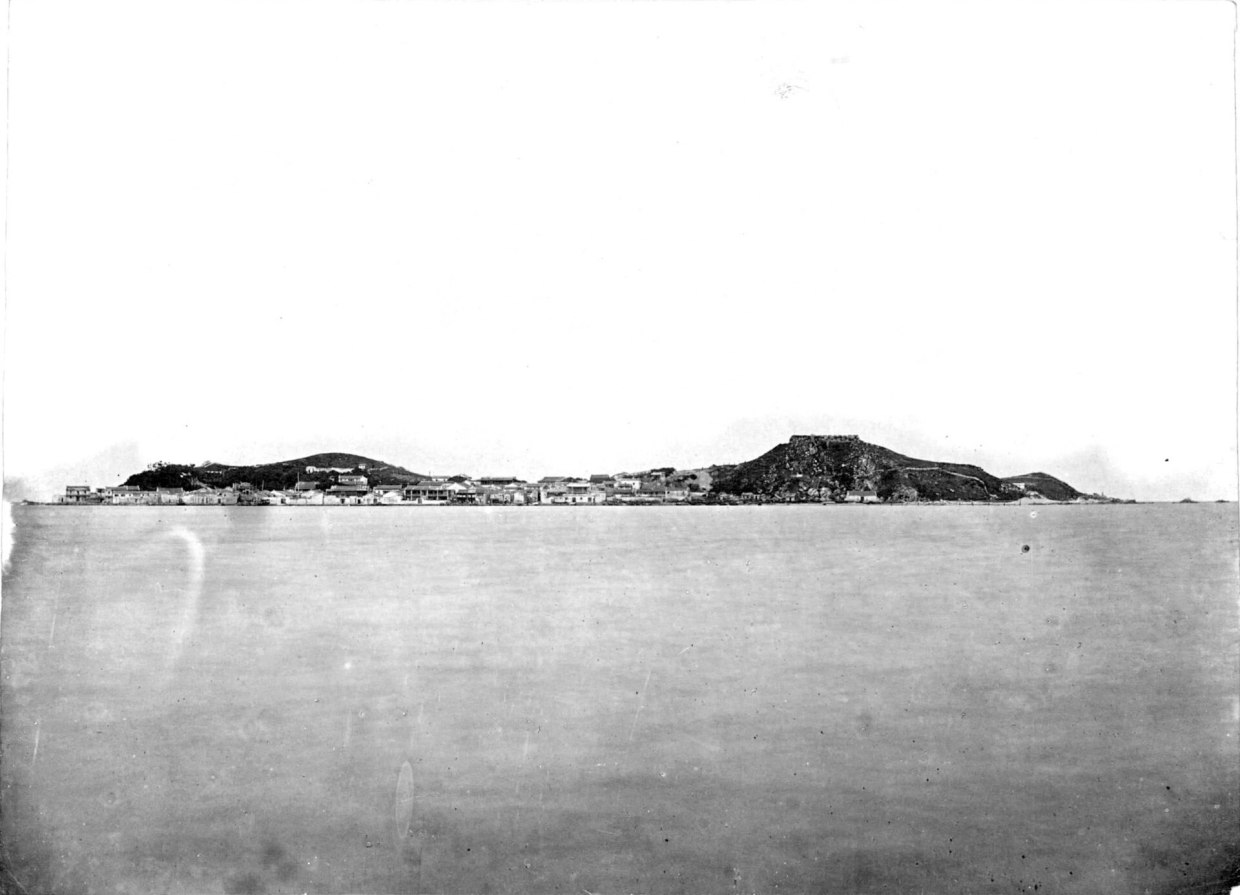
An island at the mouth of Shantou harbour, with two Mazu temples on it. The old name is “Chicken-releasing Hill”, and the nickname “key to the customs house” comes of the foreign customs office being set up here when Shantou opened as a port in 1860: ships entering and leaving passed this point first. The island is small; what it shows is the position it holds across the harbour’s throat.
What it is
Mayu lies at the mouth of Shantou harbour: 0.97 square kilometres, 39 metres above sea level, a coastline of 2.3 kilometres. Two Mazu temples on one island is unusual elsewhere; the old name, “Chicken-releasing Hill”, comes of fishermen bringing live chickens to the goddess and letting them go after the rite.
It has a second name too, “key to the customs house”, because the island sits squarely in the harbour channel: whoever holds it holds the key to the port.
History: from native customs to foreign customs
- Yuan: fishermen carried the incense from Meizhou in Putian, Fujian, and built a Mazu temple on the island. Destroyed, it was rebuilt in 1861, the eleventh year of Xianfeng, enlarged in 1928, repaired with money raised in Hong Kong from 1984 and finished in 1993.
- Qing: a second Mazu temple was built, said to be by a merchant named Wu from Quanzhou; there was also a Dragon King temple, built in the early Qing.
- 1853: with shipping thriving, the Qing set up the Chaozhou new customs house on the island, run by Chinese officials.
- 1860: under the Treaty of Tianjin Shantou opened as a port; on 1 January the foreign-run Chaoshan customs house opened, and the United States and Britain set up consulates on the island the same year.
- 1930s: “masts in Chicken Harbour” and “watching the tide at Mayu” were chosen among the old eight sights of Shantou.
- 1979: designated a scenic area. In 1995 the bay bridge was built, and its piers stand by the island.
What to look at
- The two Mazu temples: one old, one new; look at where the incense came from and the dates of the rebuilding.
- Remains of the customs house: around Haisguan South Road, listed as a Shantou protected site in 1994.
- The bridge and the channel: stand on the island and watch the ships come and go, and the word “key” explains itself.
Visiting
The island is small, half an hour to an hour; the beach is short and the water ordinary, so do not come expecting a resort island. There is a toll on the bridge, and it jams on holidays. Queshi and Dahao are on the same Haojiang side and can be joined into half a day.
Tickets and hours No entry ticket; the ferry charges by the passenger | Open all day, but check the last boat | No booking needed.
Details in pictures
On the same trip
- Queshi — also in Haojiang, by ferry or over the water by road.
- Dahao old city — the same direction, half an hour to see.
- Shantou itineraries — back to the city page.
About the pictures
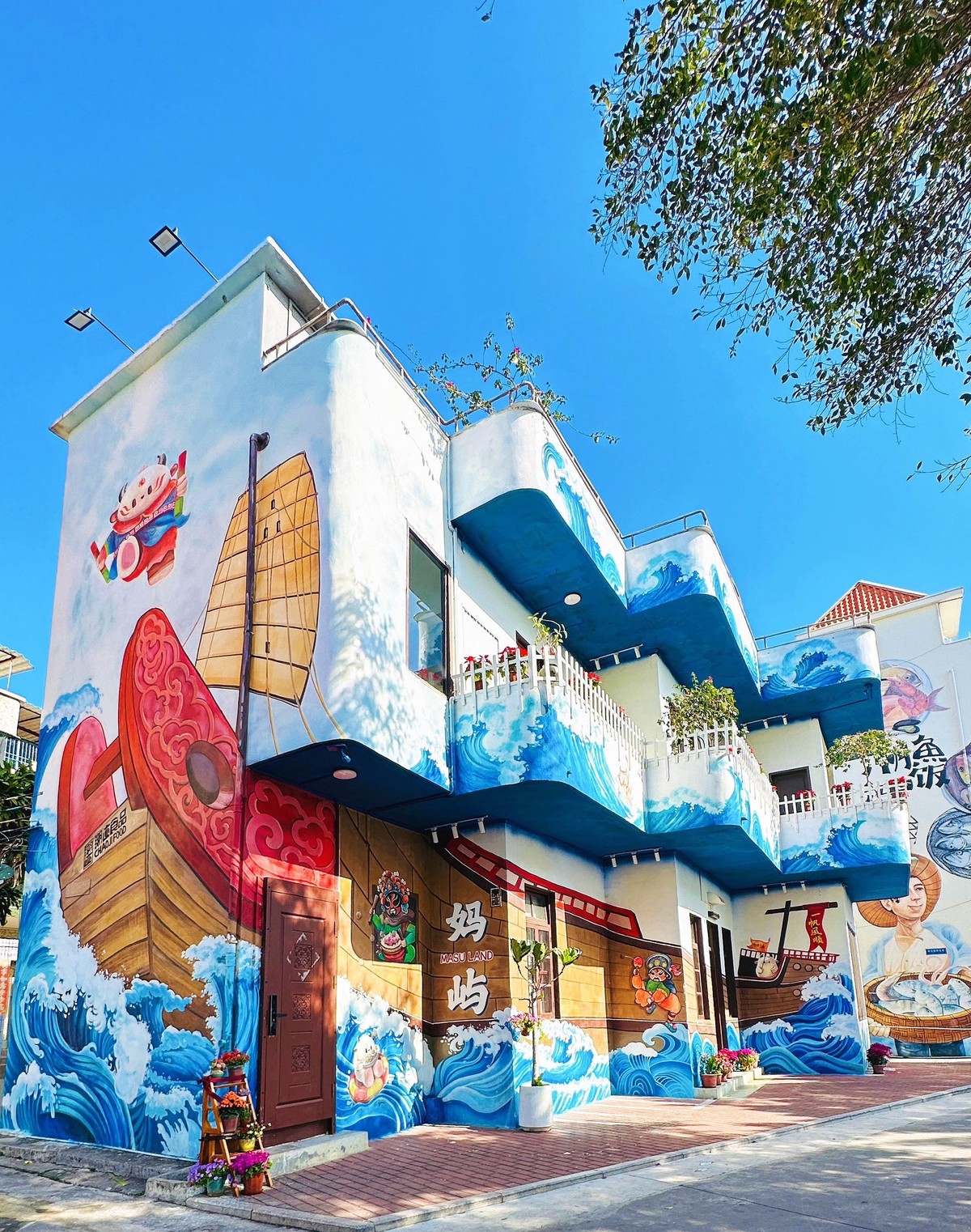
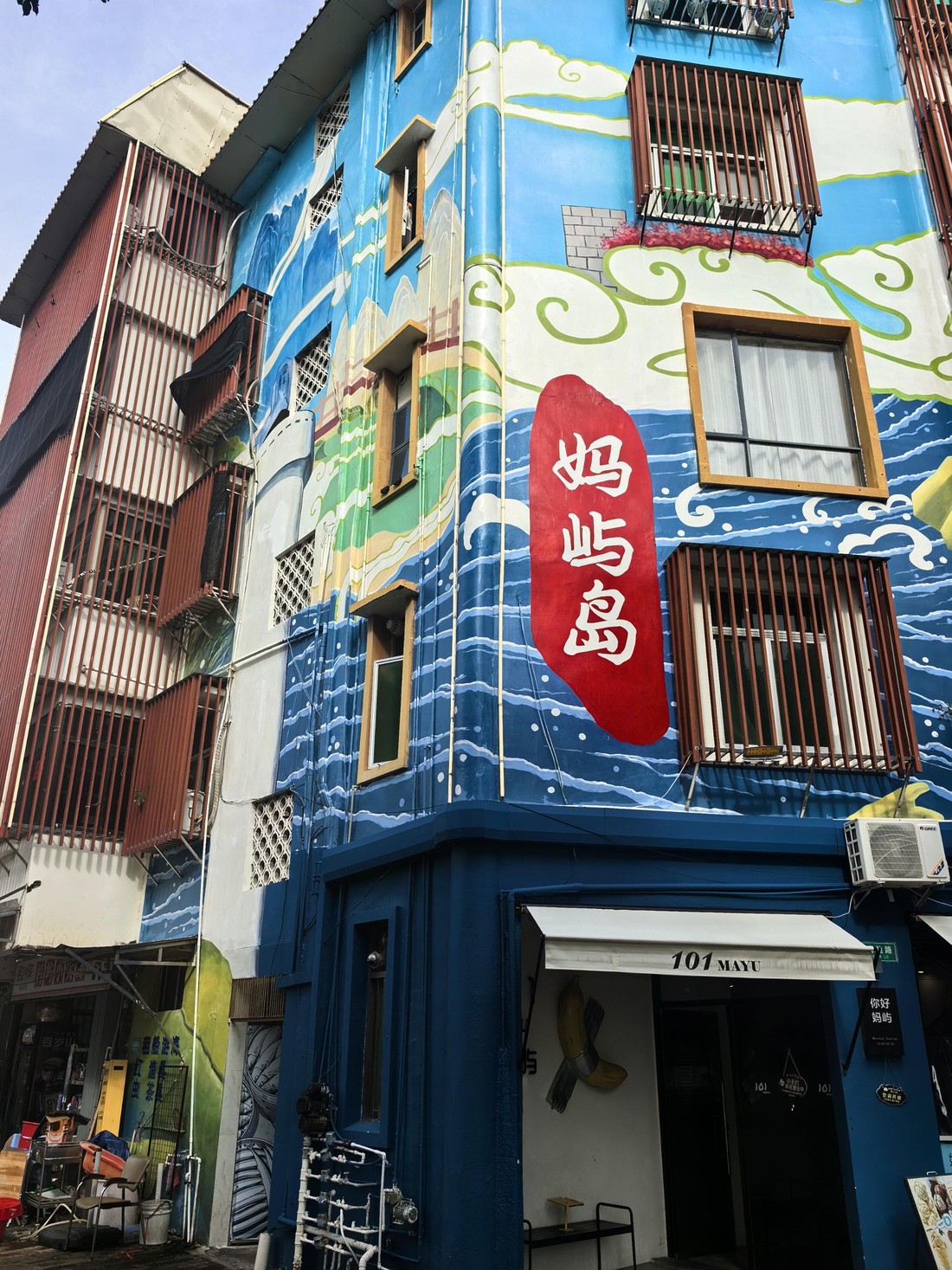
The opening photograph is a nineteenth-century view. Western writing of the time called Mayu and Luyu together “Double Island”, which is why the file is named so; the photograph was taken between 1860 and 1880 by Lai Afong. For the island as it is now, see the details below, which are originals by Douyin users with the account and date under each.
In the routes: two itineraries place it in the plan, the four-day and the five-day.
Note on sources
- Area, height, coastline, the history of the temples, the native and foreign customs houses and the dates of the consulates come from the Wikipedia entry on Mayu, which cites the Shantou place-name gazetteer (Xinhua Press, 1995).
- “Double Island” as the nineteenth-century Western name for the Mayu area comes from a Nanfang Plus feature on the lighthouse beside the bay bridge.
- The two old sights come from the old list of eight sights of Shantou.
- The photographs are originals by Douyin users; the account and date are given under each. Copyright remains with the photographers; they are used here for description only, and reuse, printing or commercial use needs their separate consent.
The two Mazu temples here are one stop on that line of incense: the goddess’s origins, her accumulated titles and the Tianhou temples of each Chaoshan county are set out under Mazu in Chaoshan.
Home › Travel › Shantou › Mayu Island
Last revised: 4 November 2026