Chu huayuan, leaving the garden
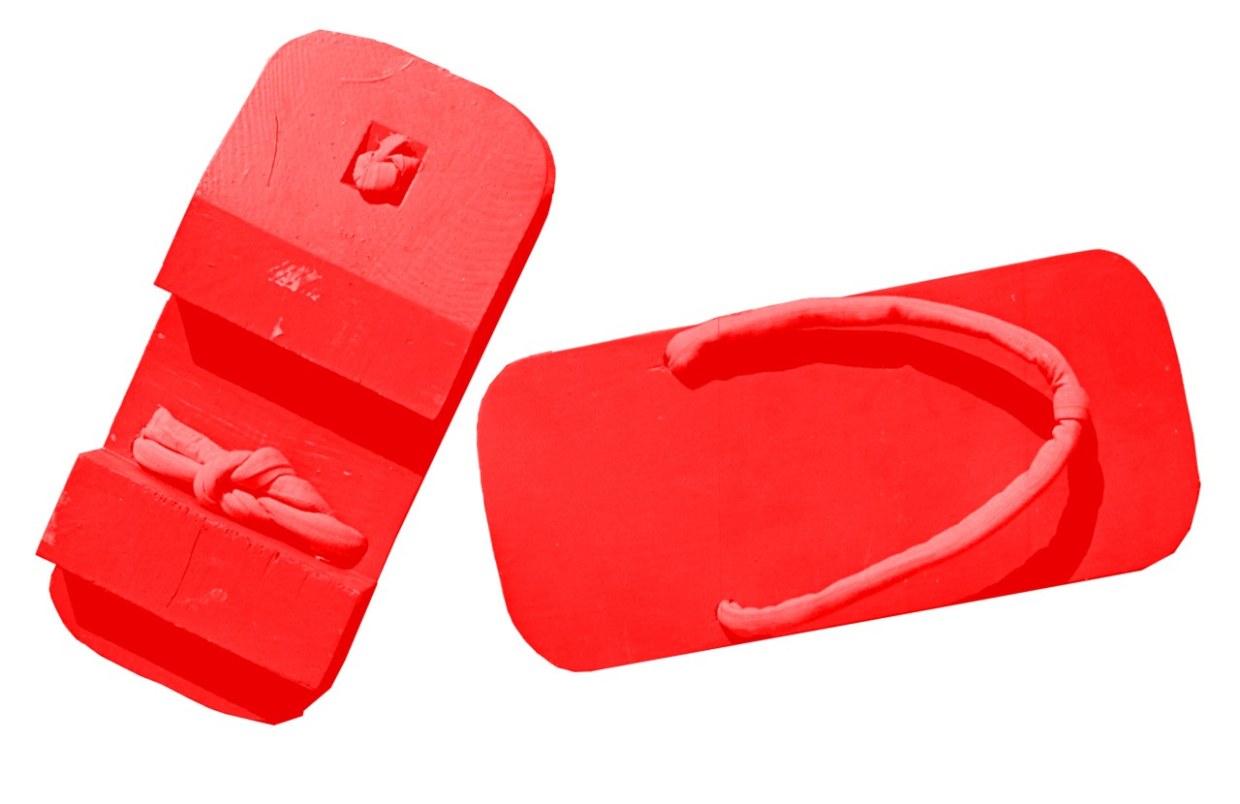
The coming of age at fifteen by the old count: a bath in flower water, red clogs, a bow to the bed goddess, a bite of the chicken’s head — and the date differs by county.
Pronunciation chū huā yuán|Rites of passage|One entry in the Chaoshan glossary
What it means
Held when a child reaches fifteen by the old count, which is not the same as fifteen years lived. It is the household that arranges it, not the lineage: no table in the ancestral hall, no clansmen serving as masters of ceremony, the scale set by the family’s own circle of relatives. The work divides roughly three ways — the mother leads the offerings, the parents lay out the feast, the child wears new clothes and sits in the seat of honour.
The garden is the stretch of childhood; once out of it the child counts as grown. The four lines chanted while biting the chicken’s head, as recorded by the Rongcheng district government, run: out of the garden, into the seat; from here on, a life of plenty. Bite the head and grow fine and clever; bite the comb and live a hundred years; bite the beak and wealth comes; bite the tail and see a thing through from first to last.
When you see it
There is more than one date: the fifteenth of the first month and the seventh of the seventh run in parallel. Around the old prefectural city it is mostly in the first month; Shantou, Jieyang, Puning and Chaoyang mostly take the seventh of the seventh; some families pick a day in the third or fifth month. The seventh of the seventh is the bed goddess’s birthday, and the day is held to be free of prohibitions.
Words easily confused
This is a coming of age, standing beside weddings and birthday rites; it is not a religious ceremony, and it is not a collective oath-taking either. In 2018 it was entered on the seventh provincial list of intangible heritage.
Read next: Chu huayuan: coming of age at fifteen.
See also: Rites of passage: five thresholds.
Same group: the five bowls, the bib, the bed goddess, the flower bath, biting the chicken’s head.
Home › Glossary › Rites of passage › Leaving the garden
Text on this site is CC BY-SA 4.0; copyright in images is reserved and commercial use requires a separate licence.
Last revised: 3 November 2026