Za xian: the saltings at the corner of the table
Za xian are the small salted dishes that go with rice porridge. They are not served at a banquet and not eaten as a snack; they stand at the corner of the table three times a day. Chaoshan people judge a dish of them by one test — can you eat it every day?
1. What it is
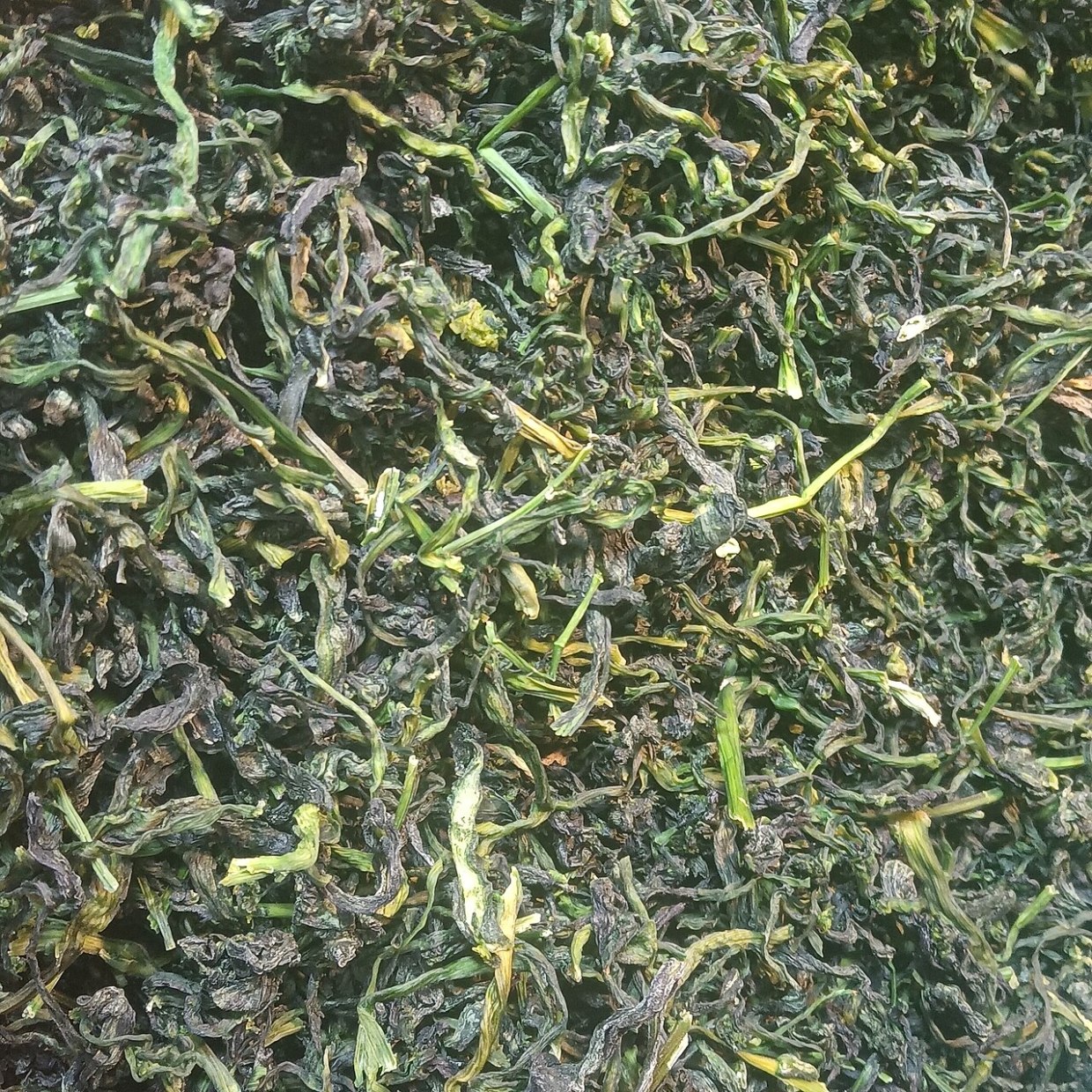
Za xian is the collective name for the salted and pickled side dishes eaten with porridge: xian cai, cai pu, olive vegetable, black olives, gong cai, peanuts, water tofu, ginger olives. In the morning the porridge comes out and za xian is what goes with it; the cold dishes on a da leng stall belong to the same line.
One place is easy to mix up. Za xian is the general name; xian cai is only one of the set, meaning salted mustard greens in particular. Treat the two as synonyms and you end up writing “za xian is xian cai”, shrinking a whole class into a single dish.
2. Two with a published listing
Two items in this class have documents behind them. Number, name and applicant district recorded as they stand:
- Olive vegetable making, Chaoshan | Ⅷ-82 | applicant: Longhu District, Shantou | sixth batch of the Guangdong provincial list of representative intangible cultural heritage items
- Aged cai pu making (Chenghai aged cai pu making) | Ⅷ-101 | applicant: Chenghai District, Shantou | seventh batch of the same list
Olive vegetable takes black olives and mustard leaves, salts them and cooks them down slow until they turn black and glossy, hours without lifting the hand. Aged cai pu is radish salted and sealed into a jar, kept until it blackens before it counts as old; it cannot be hurried. Neither is a matter of tossing things together — the difference sits in the heat and in the years.
3. Several with no listing to cite
Xian cai, gong cai, black olives, bao ke mi and ginger olives have no matching item on the provincial list. Names only; the process left blank, since there is no published document to set it against.
The common account runs like this: xian cai is salted mustard greens; gong cai takes the stalks of da cai, cut in lengths and salted; black olives are cured in salt and soy sauce; bao ke mi is the meat taken out of bao ke, the small date mussel; ginger olives pound olives together with ginger and salt. These differ from county to county, and have not been checked county by county.
4. One line drawn
No brands, no shop recommendations, no prices. Za xian is made at home and in factories side by side. The bottled sort carries an ingredient list; the home-made sort depends on whether enough salt went in and whether the weather stayed fine. Naming a brand is vouching for a factory; printing a recipe turns one household’s way of doing it into the general rule.
Related
For what is sold loose in the streets, see Snacks and stalls; for kueh, Chaoshan kueh; for the banquet table, Chaoshan cuisine; for plain porridge and da leng, What to eat in Shantou; for the section, Food.
Note on sources
The Guangdong provincial government, notice approving and publishing the sixth batch of the provincial intangible cultural heritage list (Yue Fu Han [2015] No. 307, 10 November 2015), annex 1, item 18; the same for the seventh batch (Yue Fu Han [2018] No. 116, 12 May 2018), annex 1, item 26; the Jiaqing-era Chenghai County Gazetteer, entry on salting mustard greens, quoted in a public compilation. Consulted on 20 October 2026.
Text on this site is CC BY-SA 4.0; copyright in images is reserved and commercial use requires a separate licence.
Last revised: 4 November 2026