Letters to Grandma: one qiaopi, half of Chaoshan
A Chaoshan-dialect film released on 30 April 2026. It cost 14 million yuan, more than ninety-five per cent of the dialogue is in Chaoshan speech, and almost every actor is a non-professional. Opening-day screenings were 1.6 per cent of the day; it ended on 2.005 billion yuan. Douban 9.3, from close to 1.04 million ratings. It made the old qiaopi letter the spine of the story, and carried the lanes and villages of four Chaoshan places onto the screen.
Online it is sometimes shortened to A Grandma’s Love Letter; the formal title is Letters to Grandma, English title Dear You.
1. Basic facts
| Item | Detail |
|---|---|
| Title | Letters to Grandma (Dear You) |
| Kind and length | Drama, family; 118 minutes |
| Release | Mainland China 30 April 2026; overseas markets from 18 June; the key expired on 30 September, after 153 days in cinemas |
| Director | Lan Hongchun |
| Screenplay | Lan Hongchun, Zheng Xuanxuan, Yang Leng, Zhu Liyun |
| Leading cast | Li Sitong, Wang Yantong, Wu Shaoqing, Zheng Runqi, Wang Xiaohui |
| Special appearances | Zhao Shuguang, Li Deru, Li Shuhao, Wusa Sameikamu |
| Production | Shenzhen Golden Ant Film and Television Media; Beijing Damai Entertainment Culture; Rongde Holdings; Shenzhen Lichun Pictures |
| Box office | 2.005 billion yuan, 58.82 million admissions (to 30 September 2026); third on the 2026 chart |
| Rating | Douban 9.3, close to 1.04 million ratings (as reported on 30 September 2026) |
| Main awards | Film of the Year at the 2026 Weibo Film Night; a special commendation from the jury at the 23rd Movie Channel Media Awards; the jury grand prize at the 21st Changchun film festival, with Li Sitong named best actress |
Director Lan Hongchun had made Dad, I’ll Make It and Take You to See My Mother before this; this is the closing part of a “Chaoshan trilogy”. By the producers’ account and the reporting, more than ninety per cent of the plot is drawn from real qiaopi families, more than ninety-five per cent of the dialogue is Chaoshan speech, and most of the leads are non-professionals.
2. The story
It begins with a qiaopi. A Chaoshan grandmother, Ye Shurou, has kept a bundle of letters for half her life; the writer is Zheng Musheng, the husband who went down to the South Seas. Her grandson Xiaowei, drowning in debt, slips away to Thailand without telling the family, hoping to find the grandfather who is said to have become rich. What he finds is that the man who wrote to his grandmother for half a century was not Zheng Musheng at all, but a stranger he has never met: Xie Nanzhi.
Two women who never met, an ocean apart, are bound together by letter after letter. One kept the household; the other kept a promise.
One line from Musheng’s letters is quoted over and over: “seas and rivers ten thousand li, my heart is on you.” The other line audiences carry out of the cinema is “a person must have feeling and duty”. Neither is written for effect; both take the tone of a qiaopi itself. In the family letters of the old days, feeling and duty mattered and missing someone mattered, but the news of being safe came first.
3. Why qiaopi
A qiaopi is a particular kind of document: a letter and a remittance in one, a family letter with the remittance slip enclosed, sent home by an overseas Chinese through a private channel or a letter shop. In Chaoshan speech, pi means letter. It flourished from the middle of the nineteenth century and ended in the 1970s — a hundred and fifty years and more.
In June 2013 the qiaopi archives, jointly nominated by Guangdong and Fujian as “the qiaopi archives: overseas Chinese remittance letters”, were entered on the Memory of the World register at the meeting of UNESCO’s International Advisory Committee in Gwangju, Korea. Of the roughly 170,000 qiaopi that make up the archives, more than 100,000 are Chaoshan letters.
That volume says one thing: qiaopi were not the documents of a few families but the daily practice of an entire emigrant homeland. The letters carry the price of rice, the cost of medicine, school fees for the younger siblings, how much to give at whose wedding; how the remittance was to be divided among fourteen mouths, item by item. What the film takes hold of is exactly this small change — the grand narrative has no place here, and a distribution list on one sheet of paper weighs more than any slogan.
How a letter got there. In the early days it went by “water guests”, men who took passage back and forth and carried silver and letters on the way, each one known to several hundred households. Only later came the letter shops: collection, registration, sealing, delivery, a receipt at every stage. By the reporting, the letter shops of Shantou alone took in more than two million letters in 1934. By the end of the twentieth century the banks and the post office had taken over remittance, and the letter shops withdrew.
The letter carrier brought the qiaopi to the village, and where the recipient could not read, he read it aloud. Reading letters was itself a trade in the emigrant homeland — get one figure wrong and the accounts at both ends fail to meet. The letters read out again and again in the film have that set of people and that system behind them.
For the history of qiaopi itself, the letter shops and the rules for writing one, see this site’s page on qiaopi; for the port and the routes tied to it, Zhanglin old port and the red-headed ships.
4. The Chaoshan map on screen
The film was shot entirely in Chaoshan and in Thailand. Most of the streets that stand in for Thailand are not Thailand: the makers found the lanes in Chaoshan that still keep their old face and substituted them one by one. By CCTV’s reporting, the team drove eighty thousand kilometres looking for them.
The table matches what is on screen to where it actually is. All three cities appear; the Shantou locations are mostly in Chenghai and Chaoyang, both districts of Shantou.
| City | Location | Which scene | How to get there now |
|---|---|---|---|
| Jieyang | Xima Road, Rongcheng | The Siam inn, Chinatown, Musheng’s imprisonment | In the Jieyang old city; walk west from Jinxian Gate |
| Yangqi village, Denggang town, Rongcheng | The childhood home of the opening, the old banyan and the grandmother’s house | Denggang town, about twenty kilometres south-east of the city | |
| The stone slab bridge at Xiqi village, Denggang | Where Musheng and Shurou first meet and the letter is delivered; online it is called the “love bridge” | Next to Yangqi village; crowded at weekends | |
| Jiefang Road and Datie Street, Mianhu, Jiexi | Nanzhi’s wu mi kueh stall, the alley behind the fire, the inn’s front door | Mianhu town; Datie Street is a provincial heritage site, 142 metres long | |
| Shantou | Xiaogongyuan, Jinping district, 77 Haiping Road | The “Xiannan cinema”, and the shot that crosses decades | Inside the Xiaogongyuan arcades |
| Zhang cuo nei, Tangxi village, Dongli town, Chenghai | The home of the older Ye Shurou; the crew’s opening ceremony was held here too | Opened free by the owner, Zhang Mian; no charge to visit | |
| Qifeng Chen shrine, Dongli town | The home of Xie Nanzhi and Xie Zehua in later life; the grandmother and old Aunt Nanzhi meet again | Where Gugang Road meets Zhangdong Road | |
| Xiangrong villa, Dongli town | Nanzhi and Shurou meet | On the same street | |
| Chen Cihong’s former residence, Qianmei village, Longdu town | The home of old Digong | Qianmei village; tickets required | |
| The old olive grove at Jinzao, Chaoyang | The grandmother beating down olives | The Xialiao village stretch of Jinzao town | |
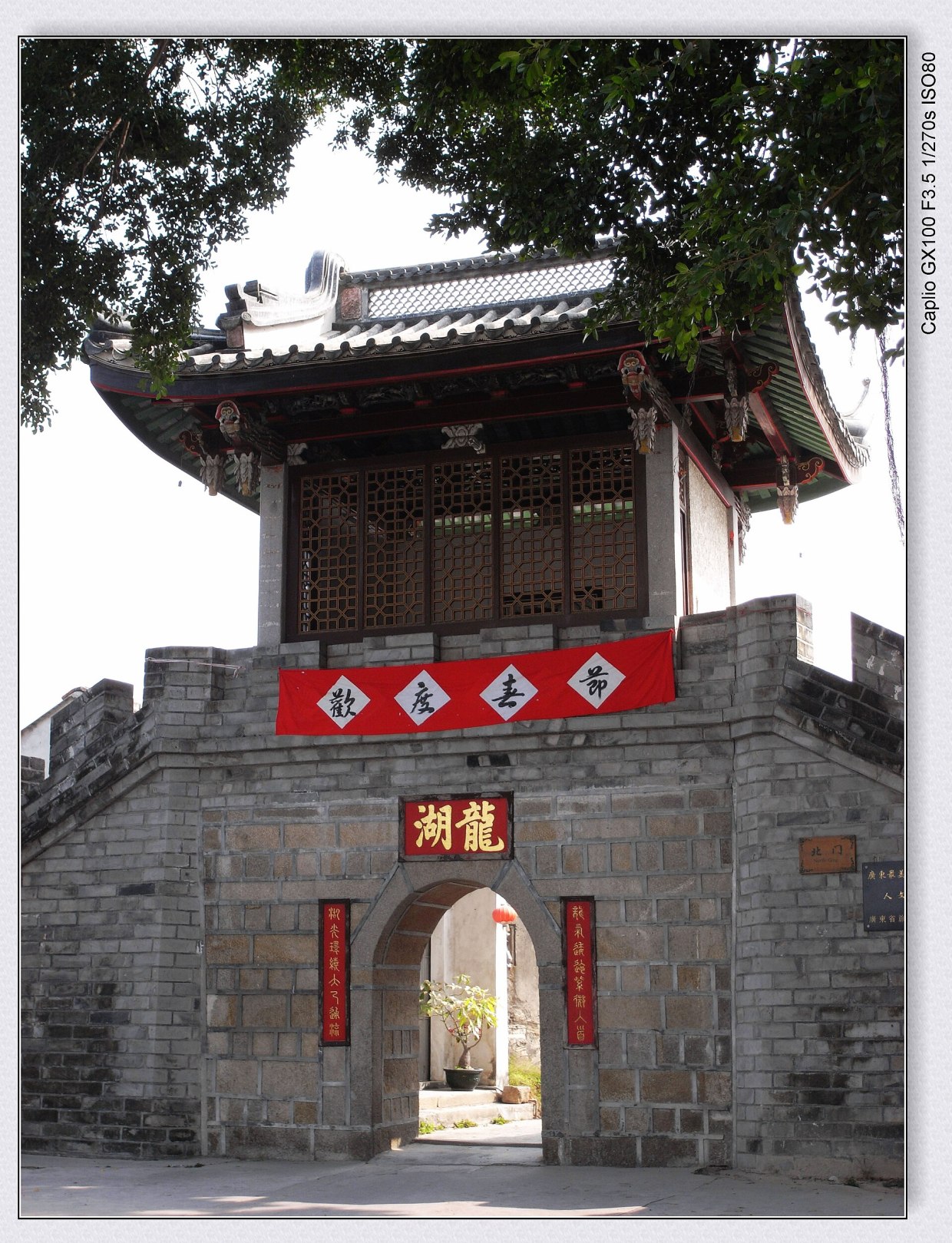
| Chaozhou | Longhu old stockade | The “Thai street” and the “Chaozhou guild hall” — the stretch where Xiaowei runs about in Thailand | Longhu town, Chao’an district |
| West Lake, Chaozhou | The group photograph scene | West of the Chaozhou old city | |
| The Thai Buddha hall | The set piece where the leads search a Thai temple for a clue | In Chaozhou, built after the marble temple in Thailand |
The detail, the points to look at and the walking routes for the Jieyang places are set out on the Jieyang old city page.
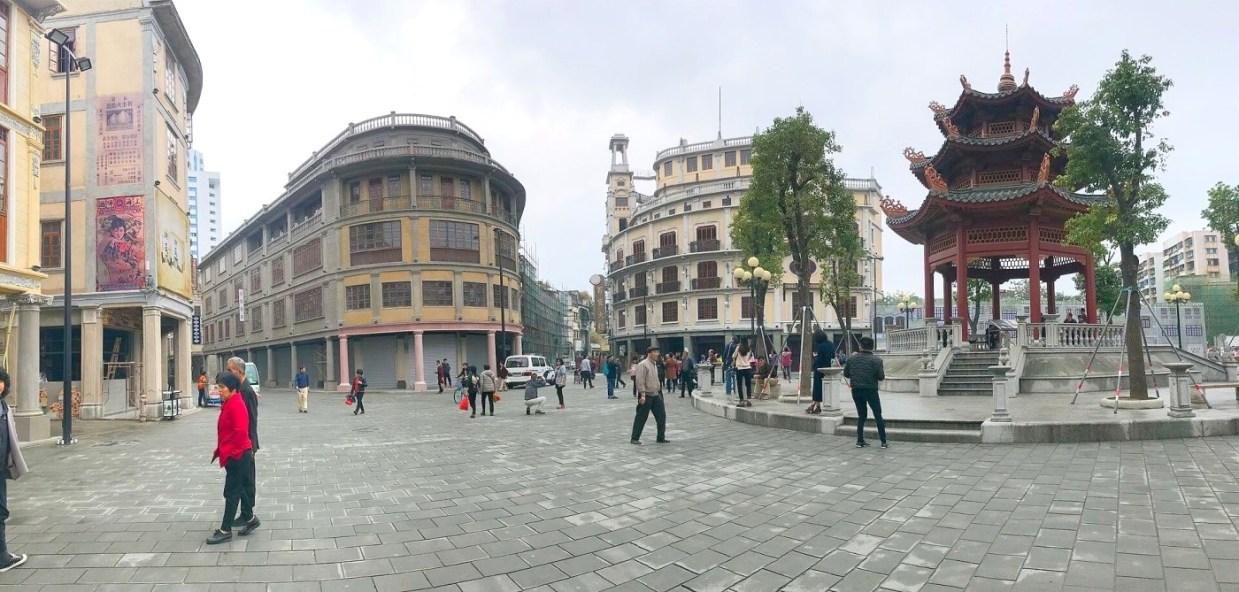

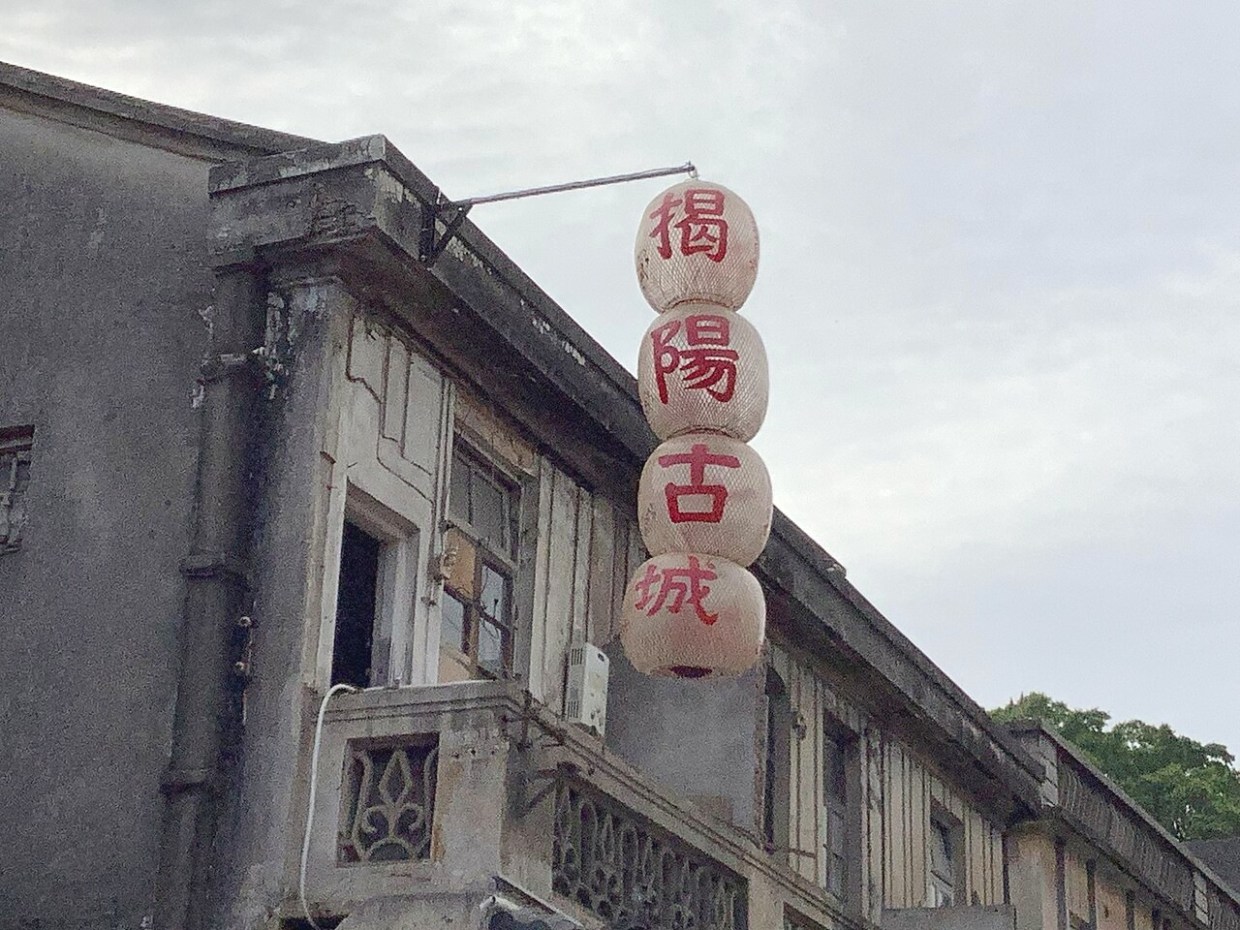

Image slot: licence pending
Stills, posters and photographs taken on set remain the copyright of the production company and the photographers, and this site does not reproduce them. Should the rights holders be willing to license under CC BY-SA or more open terms, they can reach us through the call for material, and this card will be replaced.
5. Two days with the film
The locations are scattered across three cities and cannot be done in a day. Compressed into two, one day for Jieyang and one for Shantou or Chaozhou, it goes at an easier pace.
| Time | Route | Note |
|---|---|---|
| First morning | Jieyang old city: Jinxian Gate → Confucian temple → city god temple → Zhongshan Road → Xima Road | Xima Road is the “Siam inn” stretch; two hours is enough |
| First afternoon | Yangqi village and the stone slab bridge at Xiqi village, Denggang | South-east of the city; drive or take a car, the light is best towards evening |
| First evening | Back to the city to stay, and walk Zhongshan Road at night | Once the lanterns are lit it is a different street from the daytime one |
| Second morning | Mianhu in Jiexi: Jiefang Road and Datie Street | The wu mi kueh stall is on Jiefang Road; Datie Street runs off its north side |
| Second afternoon | Across to Shantou: 77 Haiping Road in Xiaogongyuan, or Tangxi village in Dongli, Chenghai | The Dongli places are close together and can be done as one |
If you want only one, go to Xima Road. It is inside the old city, with no ticket and no booking; you walk in.
5b. Stringing each city
Two days is the compressed version. With more time it is easier split by city: half a day to a day each, crossing between cities only once.
Jieyang: four places, one in the city, two at Denggang, one at Mianhu
Xima Road is on the old city’s walking line: Jinxian Gate, the Confucian temple and the city god temple one after another, and the film’s “Siam inn” and “Chinatown” come with them. Yangqi village at Denggang is the childhood home of the opening, and the old banyan and the house are still there; the stone slab bridge at Xiqi village is where Musheng and Shurou first meet and the letter is delivered, called online the “love bridge”, with four or five thousand visitors on a peak weekend day. The two villages are neighbours, about twenty kilometres south-east of the city; drive or take a car, and the light is best towards evening.
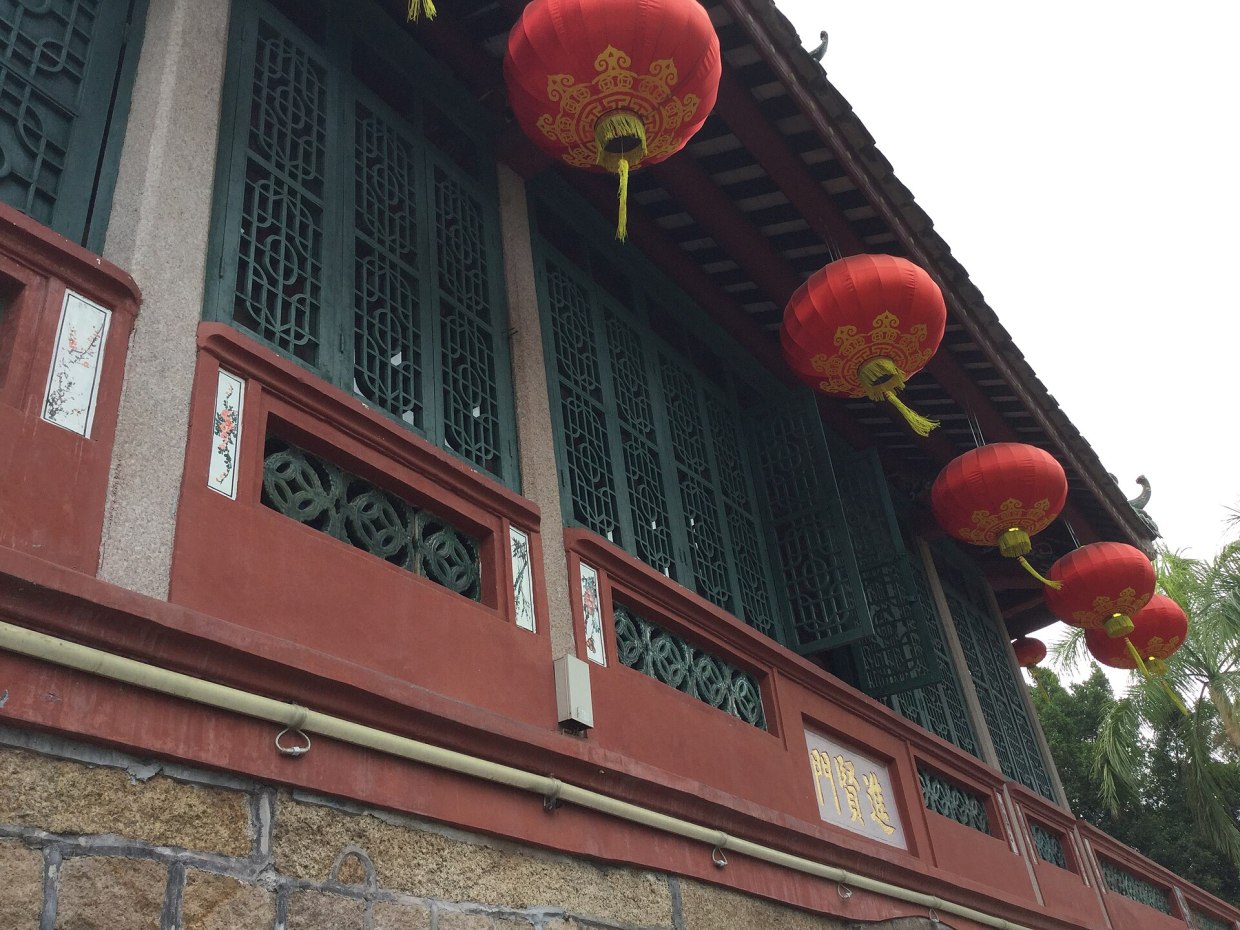
Further west are Jiefang Road and Datie Street at Mianhu in Jiexi, where Nanzhi’s wu mi kueh stall and the alley behind the fire are; Datie Street is a provincial heritage site, 142 metres from end to end.

Shantou: six places, mostly in Chenghai and Chaoyang
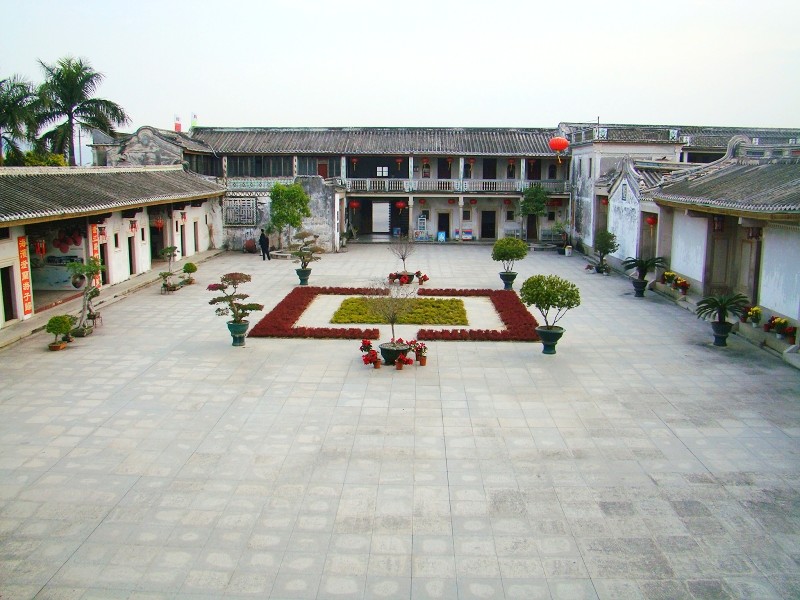
Only one is in the city itself: the “Xiannan cinema” at 77 Haiping Road in Xiaogongyuan, in the middle of the arcades. The other five are in Chenghai and Chaoyang. Zhang cuo nei at Tangxi village in Dongli town, the home of the older Ye Shurou, where the crew also held its opening ceremony; the Qifeng Chen shrine, home of Xie Nanzhi and Xie Zehua in later life, where the grandmother and old Aunt Nanzhi meet again; and the Xiangrong villa, where Nanzhi and Shurou meet — these three are close enough in the lanes to be walked together. Chen Cihong’s former residence at Qianmei village in Longdu town is the home of “old Digong” and needs a ticket; the old olive grove at Jinzao in Chaoyang is where the grandmother beats down olives.

Chaozhou: three places, two in the city and one outside
Longhu old stockade is at Longhu town in Chao’an district, and stands in for the film’s “Thai street” and “Chaozhou guild hall” — the stretch where Xiaowei runs about in Thailand was actually this stockade. West Lake in Chaozhou is the group-photograph scene, and the Thai Buddha hall is the set piece where the leads search a Thai temple for a clue; the last two are both in the city and can be done in half a day.

A suggested order: Jieyang (Xima Road and Denggang) → Mianhu in Jiexi → Chenghai in Shantou → Chaozhou. The line runs east and slightly north the whole way, without doubling back.
6. After the film
The visitors it brought were real. Over the 2026 Spring Festival the Jieyang old city received 2.38 million visitors, up 87 per cent year on year; over the May Day holiday the count rose another 30 per cent, and Jieyang came second among the country’s dark-horse destinations. On a peak weekend the stone slab bridge at Xiqi in Denggang draws four to five thousand.
The local response followed. On 19 May, China Tourism Day, the Jieyang culture, radio, television, tourism and sports bureau issued certificates naming the cast “Jieyang tourism promoters”; on 27 May director Lan Hongchun brought the principals back to Jieyang and saw the exhibition “Mountains and seas, qiaopi, one sheet home: the world of Letters to Grandma”; Xima Road reconstructed the “Siam street” set, with rickshaws and the postman’s bicycle laid out. Jieyang and Shantou each launched “follow the film” themed routes, and Shantou put up wayfinding for the old houses at Zhang cuo nei, the Qifeng Chen shrine and the Xiangrong villa.
The longer work is conservation. Jieyang brought in its first local regulation on the protection of historic areas, the Jieyang Old City Protection Ordinance, and designed and built the 660 metres and 310 buildings of Zhongshan Road one by one. All of this was under way before the film; the film only let more people see it.
7. A few lines of care
- This is a film, not a documentary. More than ninety per cent of the plot comes from real qiaopi families, but the characters are composites. The film is a way in; for the history, the archives and the local gazetteers still govern.
- Zhang cuo nei is a private house. The owner, Zhang Mian, opens it free and explains it free. Inside, keep to the rules: do not go into rooms and rummage, do not move the props from the film, do not make a noise.
- Xima Road and Datie Street are lived-in streets. Ask before photographing people; an open door is not an invitation.
- Box office and ratings have a cut-off date. The figures run to 30 September 2026, when the key expired; anything counted after that may use a different basis.
7b. Questions that come up
Is it worth going without having seen the film? Yes, but look at it differently. Xima Road, Xiaogongyuan and Longhu old stockade are heritage sites or historic quarters in their own right and stand up without the film; the film only gives an extra reason.
See the film first, or go first? Seeing it first is easier. The screen and the place differ a good deal — “Thailand” was stood in for by Chaoshan — and recognising it is half the pleasure.
Can you photograph the same setups? The streets, yes; the interiors, no. Zhang cuo nei is a private house opened free by its owner; the Qifeng Chen shrine and the Xiangrong villa are a shrine and an overseas-Chinese house, and the rules apply at the door.
Can stills and posters be reproduced? Not on this site. Copyright in a still belongs to the production company, and a caption reading “from the internet” is not a licence — which holds for every image from outside this site.
8. Entries to read next
Qiaopi, Zhanglin old port and the red-headed ships, Migration and qiaopi, Jieyang old city, Xiaogongyuan, Chen Cihong’s former residence, Longhu old stockade, Kueh.
Sources and notes
- Film facts and box office: the Baidu Baike entry on Letters to Grandma (118 minutes, release date, producers, principals, Douban and box-office figures); Jinan Times, “Letters to Grandma ends its run, final box office 2.005 billion yuan” (30 September 2026); Guangming Online, “One qiaopi sets off 600 million yuan of box office” (20 May 2026 — opening-day screenings 1.6 per cent, 3.77 million yuan that day, cost 14 million yuan).
- Qiaopi on the register: People’s Daily Online, “Qiaopi entered on the Memory of the World register” (20 June 2013); People’s Daily Online, “The Yuan official archives of Tibet and the qiaopi archives enter the Memory of the World register” (21 June 2013 — more than 100,000 Chaoshan qiaopi).
- Locations: Guangdong provincial transport department, “Take the high-speed rail to the locations of Letters to Grandma” (21 May 2026 — Xima Road, Xiqi village, Datie Street at Mianhu, Xiaogongyuan, Longhu old stockade, West Lake in Chaozhou, the Thai Buddha hall, Chen Cihong’s former residence); CCTV-1, “Letters to Grandma still showing: go and unlock the same locations” (Zhang cuo nei, the Qifeng Chen shrine, the Xiangrong villa, Longhu old stockade; the team’s eighty thousand kilometres); Shantou municipal government, “Our city launches three film-themed routes”; Xiaoxiang Morning News, “A Chaoshan-dialect film with no stars and no famous director” (the shoot at Zhang cuo nei and its keeper Zhang Mian; the letter shops of Shantou taking more than two million letters in 1934).
- Tourism and visitor numbers: Jieyang municipal government, “19 May, China Tourism Day: a feast of culture and tourism in a county town of a thousand years” (the tourism promoter certificates, 2.38 million visitors over Spring Festival 2026, up 87 per cent, plus 30 per cent at May Day, second among dark-horse cities); China Economic Net, “The film Letters to Grandma fires up the Jieyang old city” (29 May 2026 — the return to Jieyang, the exhibition, the Xima Road reconstruction, the 660 metres and 310 buildings of Zhongshan Road, the protection ordinance).
- One place, two names: the Jieyang municipal government’s 19 May piece has “the stone slab bridge of the three Xiqi villages”, the transport department’s has “Xiqi village”; “Xiqi village” is taken here. Both agree that Yangqi village is the childhood home of the opening.
- Letter shops and water guests: for the routes and the remittance system, see this site’s qiaopi page and its sources; for the 1934 figure for the Shantou letter shops, see Xiaoxiang Morning News, “A Chaoshan-dialect film with no stars and no famous director”.
- Images: this site holds no film stills, the copyright being the production company’s. The five used are all photographs of the locations themselves, from Wikimedia Commons, with photographer and licence under each.
Home › Features › Letters to Grandma
Text on this site is CC BY-SA 4.0; copyright in images is reserved and commercial use requires a separate licence.
Last revised: 4 November 2026