Mazu, the sea goddess
Protector of those at sea, born on the twenty-third of the third month. Her halls stand at almost every quay and in emigrant villages, and Mayu island off Shantou has two on one small island.
Pronunciation mā zǔ|Belief and processions|One entry in the Chaoshan glossary
What it means
Mazu is the popular name; the halls are mostly called Tianhou gong or Tianhou miao, the Palace of the Heavenly Empress. Chaoshan’s coastline is long, and almost every quay, fishing village and emigrant village has one; small shrines are kept on boat bows and piers as well.
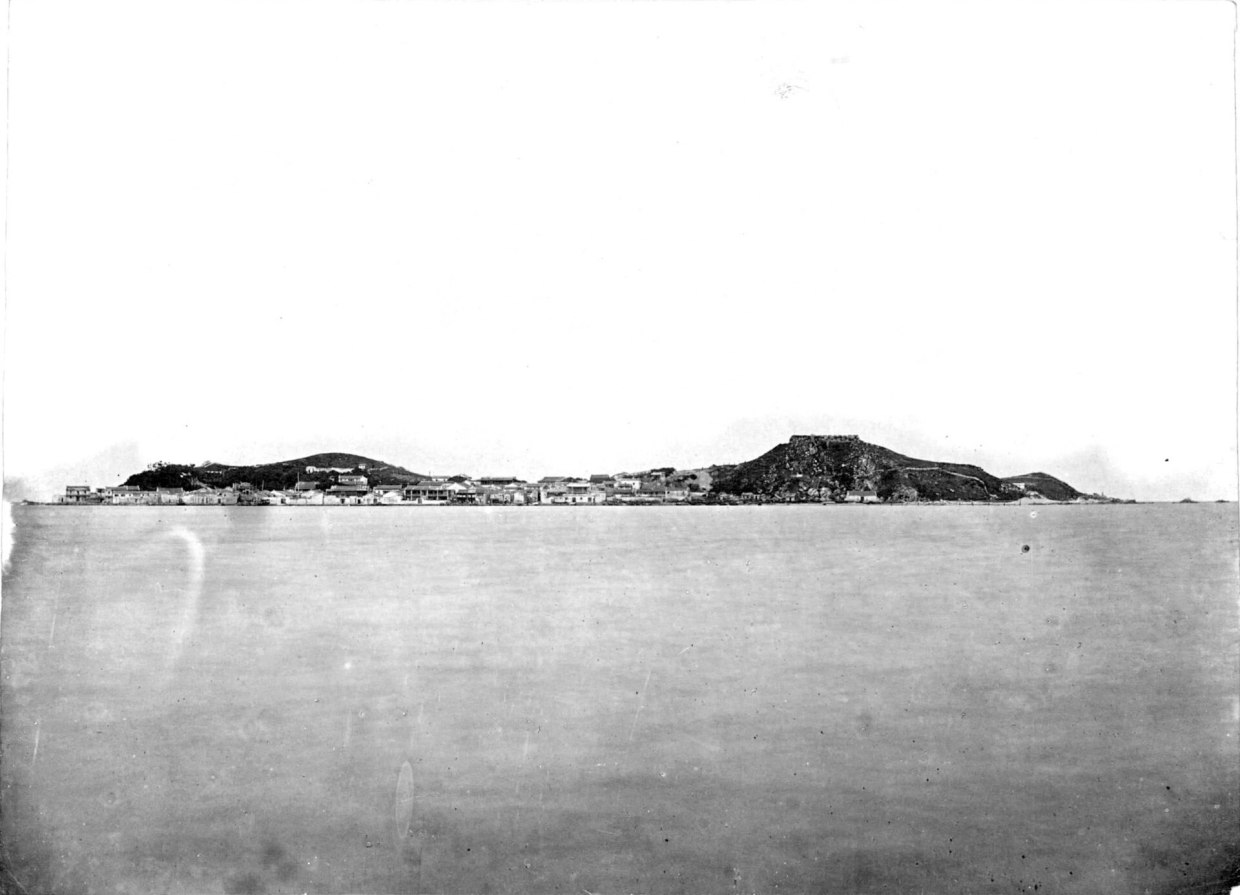
Mayu sits at the mouth of Shantou harbour. The island is small and yet carries two Mazu temples, which is rare elsewhere. Its old name was “chicken-releasing hill” — fishermen brought live chickens to worship and let them go afterwards, and the name stuck. Fishermen from Putian in Fujian brought the incense here in the Yuan and built the temple, which after its destruction was rebuilt in the eleventh year of Xianfeng in the Qing.
When you see it
Busiest on the birthday, the twenty-third of the third month; also worshipped before and after putting to sea, and at the launching of a new boat. The two temples at Mayu sit in the throat of the harbour, so from the opening of Shantou as a treaty port in 1860 every vessel in and out passed that gate first.
Words easily confused
Mazu is the goddess, Mayu is the island: same sound, different characters. Tianhou gong is the general name of the building, Mazu the popular name of the goddess — “Heavenly Empress” goes on the door plaque, “Mazu” in speech.
Custom in Chaoshan villages; this page describes only, and neither endorses superstition nor prescribes behaviour.
Read next: Mayu island: two temples and the throat of the harbour.
Same group: the Three Mountain Kings, lao ye gong, Zhanglin port.
Home › Glossary › Belief and processions › Mazu
Text on this site is CC BY-SA 4.0; copyright in images is reserved and commercial use requires a separate licence.
Last revised: 3 November 2026