He fang yuan, the bridal sweet dumplings
Once in the bridal room the two eat sweet dumplings from one bowl, two in it, then exchange bowls and eat two each again.
Pronunciation hé fáng yuán|Rites of passage|One entry in the Chaoshan glossary
What it means
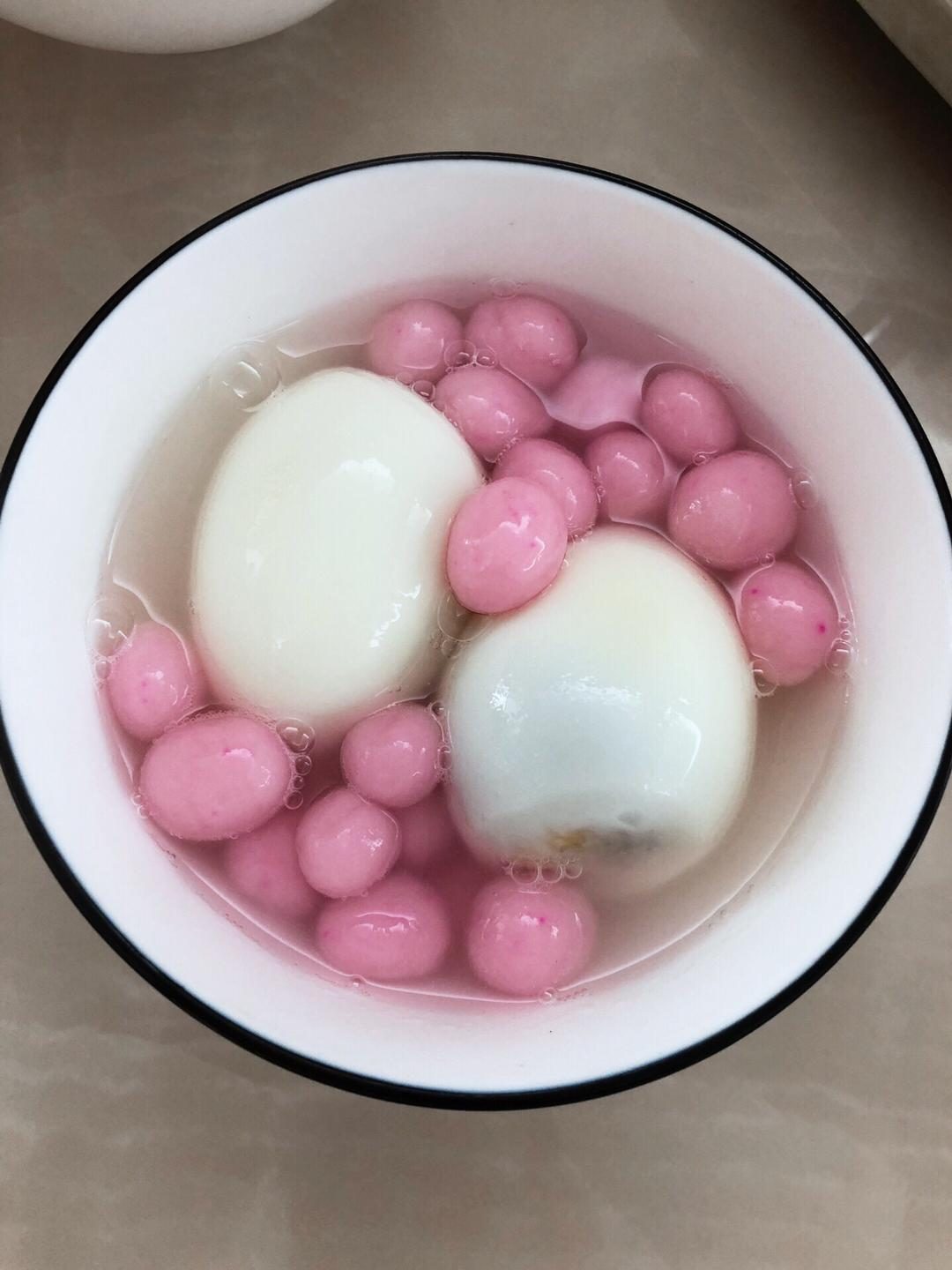
Yuan here means sweet dumplings: glutinous rice flour rolled into small balls, boiled in sugar water and done when they float, with ginger-potato or dried longan in the syrup. This bowl holds only two, for the pair; the bowls are a pair of red-lacquered ones.
The order is set: the groom eats two, the bride eats two, and then the two exchange bowls and eat two more apiece. The exchange is what makes it the crossing of cups; without changing bowls it is only each eating their own.
When you see it
After the bows, on entering the bridal room; only after this is sweet tea taken round to the elders. A pair of red candles burns on the table and is not put out that night.
Words easily confused
These, the winter-solstice balls and the Lantern Festival dumplings are all glutinous rice; the uses differ. This bowl is two only, for the pair, and no one is meant to be filled by it. Nor is it the sweet tea, which is offered to the elders; these two eat alone.
Read next: Marriage here: from the six rites to opening the well on the third day.
See also: Rites of passage: five thresholds.
Same group: shang tou, dressing the hair, the bride’s attendant, kicking the chair door, viewing the dowry.
Home › Glossary › Rites of passage › Bridal dumplings
Text on this site is CC BY-SA 4.0; copyright in images is reserved and commercial use requires a separate licence.
Last revised: 3 November 2026