Di zhu ye, the god of the ground
The god of the plot a house stands on, in older usage the zhong liu spirit; his seat sits low in the family shrine, alongside the door gods and the kitchen god.
Pronunciation dì zhǔ yé|Belief and processions|One entry in the Chaoshan glossary
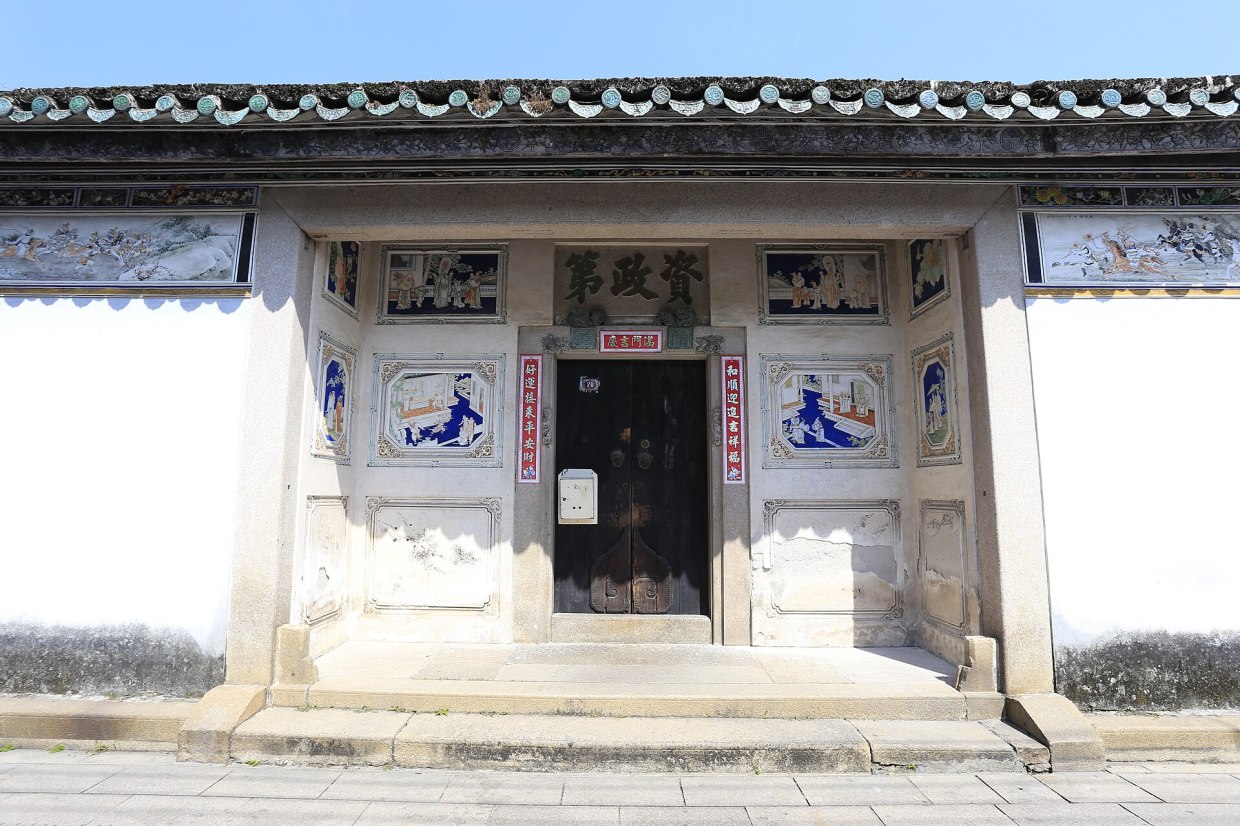
What it means
The landlord of one house. What he has charge of is the plot, not the people living on it. His seat is usually the lower tier of the hall shrine, or a small burner in a corner, or a sheet of red paper pasted to the wall: as plain as a shrine gets.
A new house is given its di zhu ye before the family moves in, which is the usual order both in building and in moving. Incense is burned before and after breaking ground or repairing a roof, and the words used are that the ground is being borrowed.
When you see him
On moving in, on breaking ground, on repairs; and with the other gods on the first and the fifteenth of each month and at the new year festivals. The offering need not be much — one stick of incense or a cup of tea will do — and day to day he is almost invisible.
Words easily confused
Di zhu ye has charge of one house; tu di gong has charge of the land of a village ward, with a shrine at the field edge or the fork in the road; an ancestral hall holds the sacrifices of one surname and one lineage. House, ward, lineage: three tiers, one god to each, and the names do not swap.
Custom of the villages here; this page describes only, and neither endorses superstition nor prescribes behaviour.
Read next: Houses and settlements.
Same group: the bed goddess, ancestral hall, cuo, the house.
Home › Glossary › Belief and processions › God of the ground
Text on this site is CC BY-SA 4.0; copyright in images is reserved and commercial use requires a separate licence.
Last revised: 3 November 2026