Ci tang, the ancestral hall
Where one surname and one lineage sacrifice to their ancestors and settle their affairs; most villages are laid out around such a hall.
Pronunciation cí táng|Houses and settlement|One entry in the Chaoshan glossary
What it means
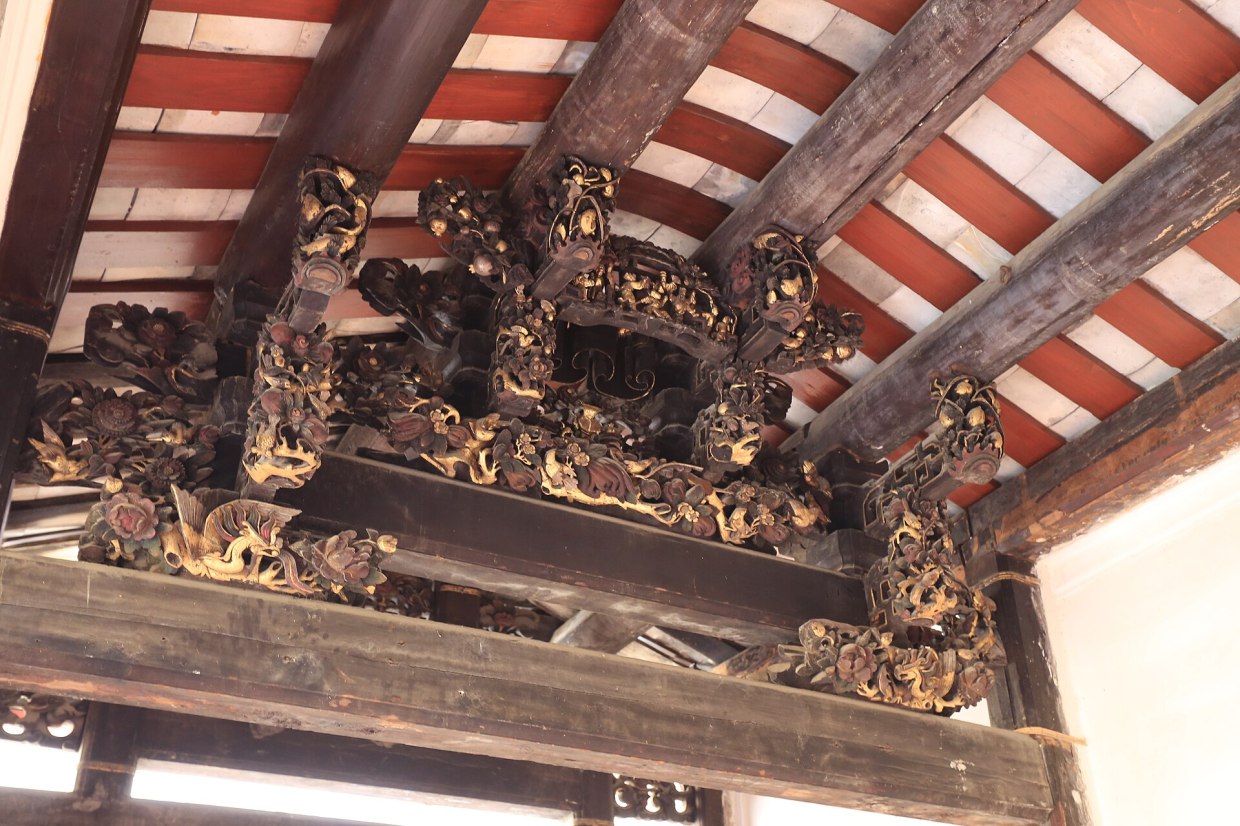
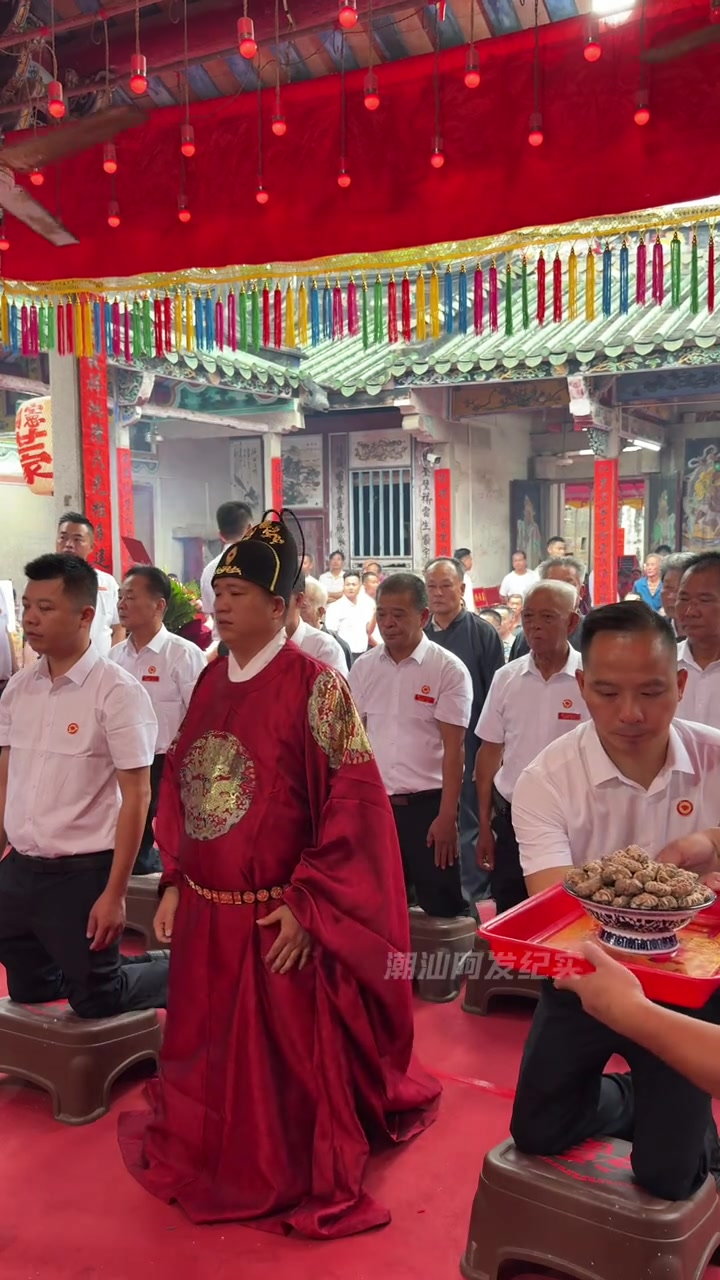
Where a lineage sacrifices to its ancestors, deliberates, and holds its weddings and funerals. Tablets stand in the shrine in order of generation, a long offering table before them, and the beams and the façade are where a lineage shows what it can afford.
Villages are usually laid out from the hall outward: the hall in the middle, the branches ranged to either side, the further out the later built.
How to tell one
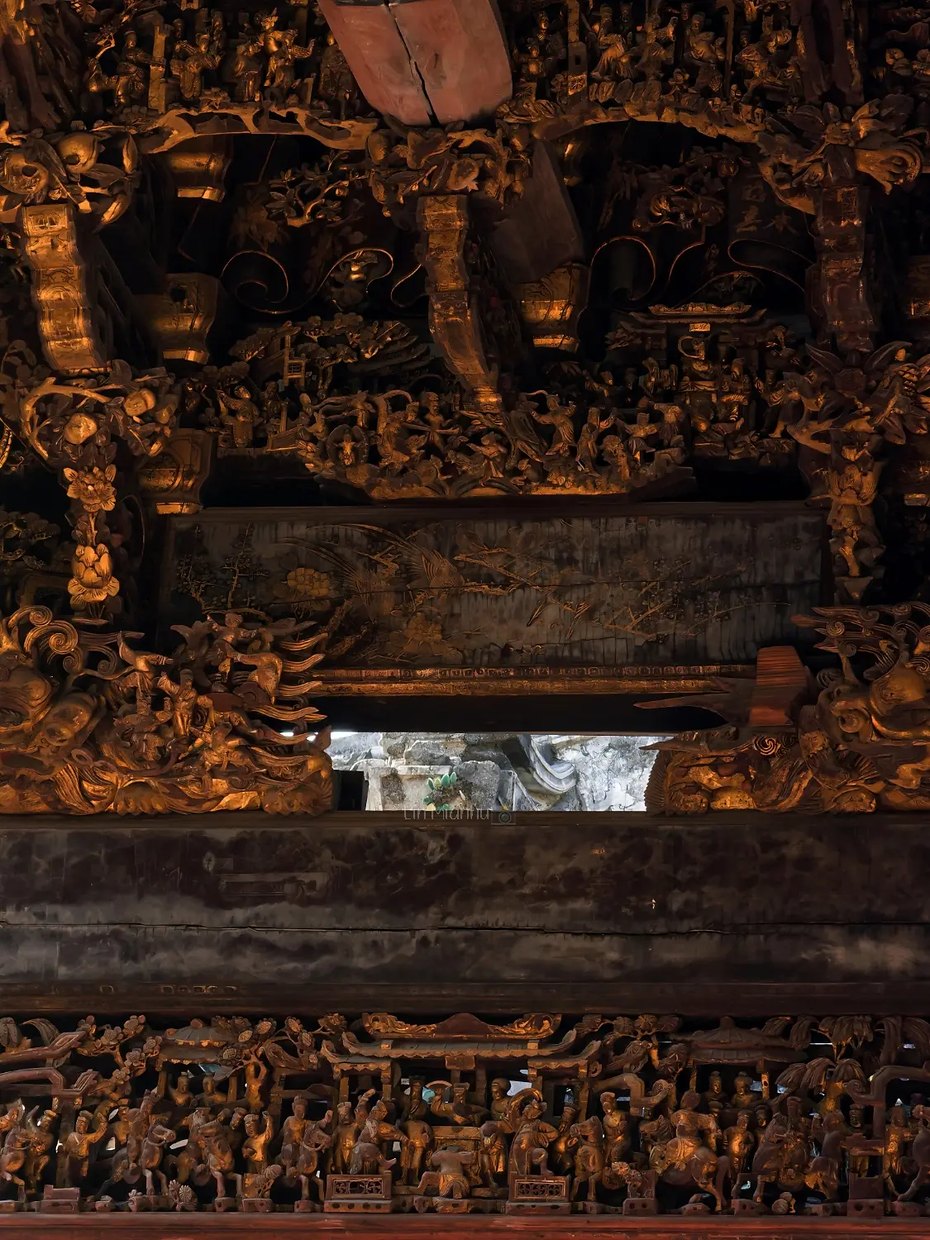
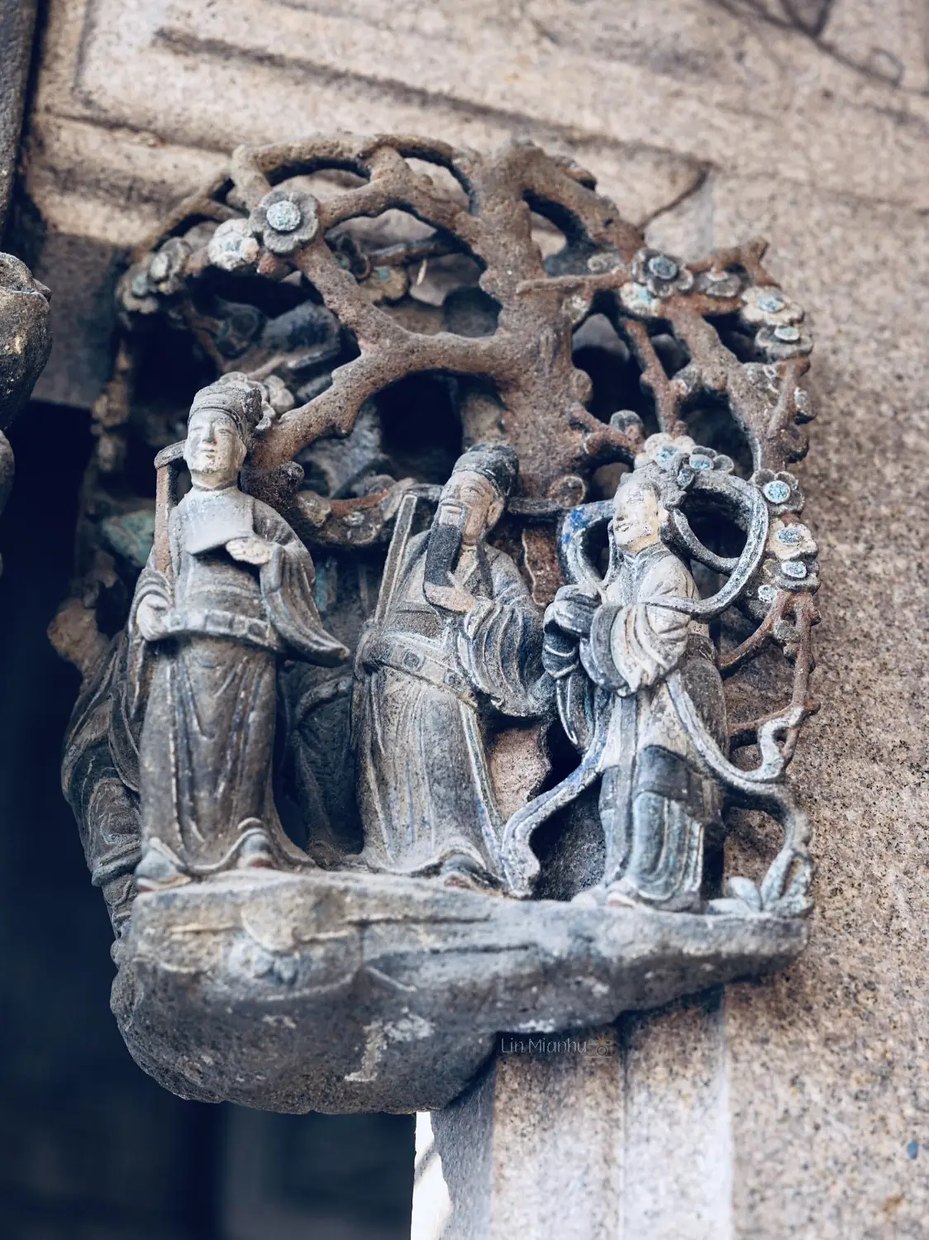
Look at the façade: three bays or five, a plaque over the door naming the clan, a pair of stone lions or flagpole bases outside. Then look at the beams — how densely the gilt carving and the stone carving run tells you how the lineage’s years have gone.
Words easily confused
A ci tang sacrifices to ancestors, a lao ye gong serves a god, and the two organisations do not overlap: the hall is run by the lineage, the temple by the village or by a management board.
Read next: Clans and kinship terms.
Same group: lao ye gong, the temple, four horses drawing a carriage, cheng, the paved yard.
Home › Glossary › Houses and settlement › Ancestral hall
Text on this site is CC BY-SA 4.0; copyright in images is reserved and commercial use requires a separate licence.
Last revised: 3 November 2026