The old houses of Chaozhou
Not one house but fourteen, in three historic quarters of the old city of Chaozhou, Ming, Qing and republican buildings standing side by side. In 2013 they were listed as a single national protected site.
In one line Fourteen houses listed together as one national site: what you see is three dynasties side by side.
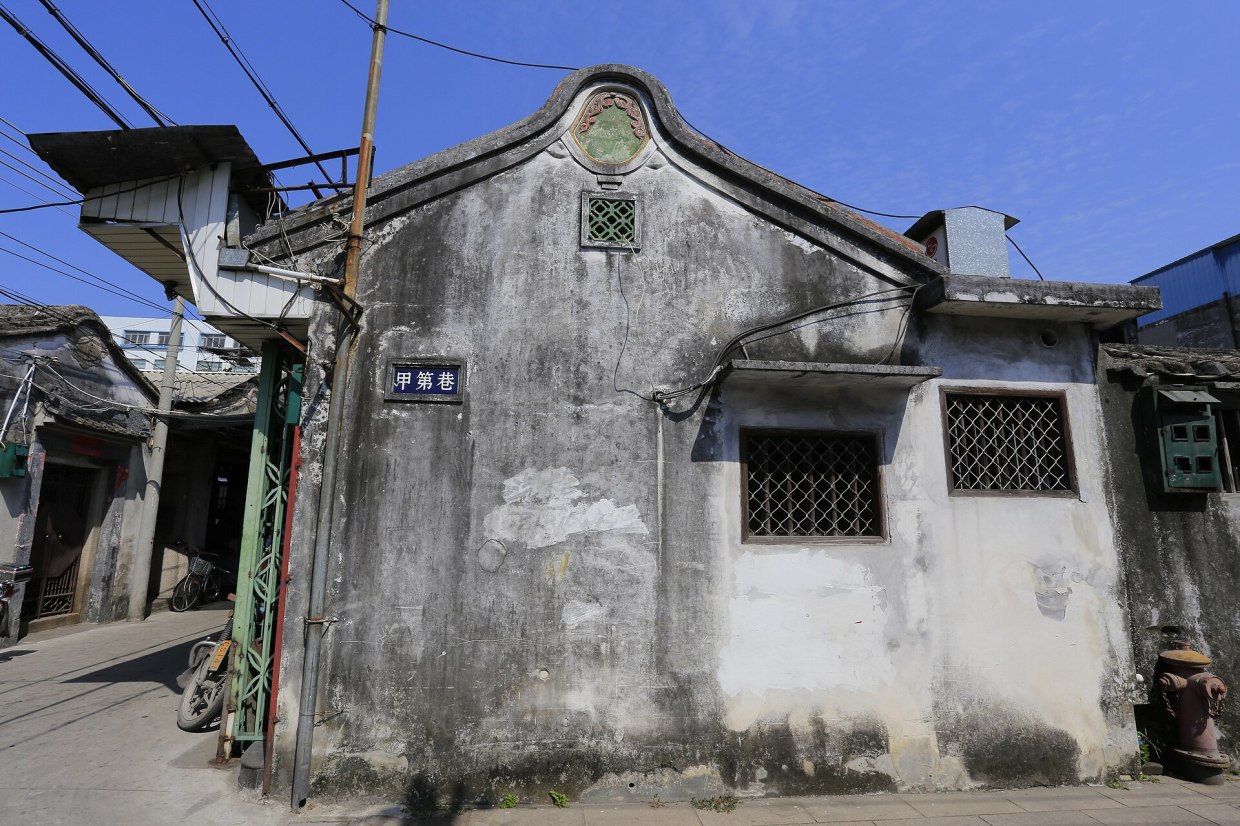
Look for The width of the gatehouses across the three quarters, the skywells, the curve of the gable walls and the ridge ornaments.
What to see文化看點
Not one house but fourteen, in three historic quarters, with Ming, Qing and republican buildings standing side by side. In 2013 they were listed as a group, a way of listing that is not common among national sites. What you look at is how the form changes with the date: Ming frame, Qing ornament, republican materials, all comparable within one lane.
History歷史
The group is made up of three historic quarters inside the old city of Chaozhou: the Nanmen Ten Lanes quarter, the Xu Fuma quarter and the Old West Gate Street quarter, fourteen old houses in all, Ming, Qing and republican remains. In 2013 they entered the seventh batch of national protected sites as one entry.
Listing them as a group says that no single house would have qualified and that the value appears when they stand together: one lane reads from the Ming to the republic, a physical sequence of how the Chaozhou house changed.
Craft工藝
- The basic units: sidanjin, four halls facing a central skywell; xiasanhu, the three-sided courtyard; simatuoche, a deep axis with side ranges.
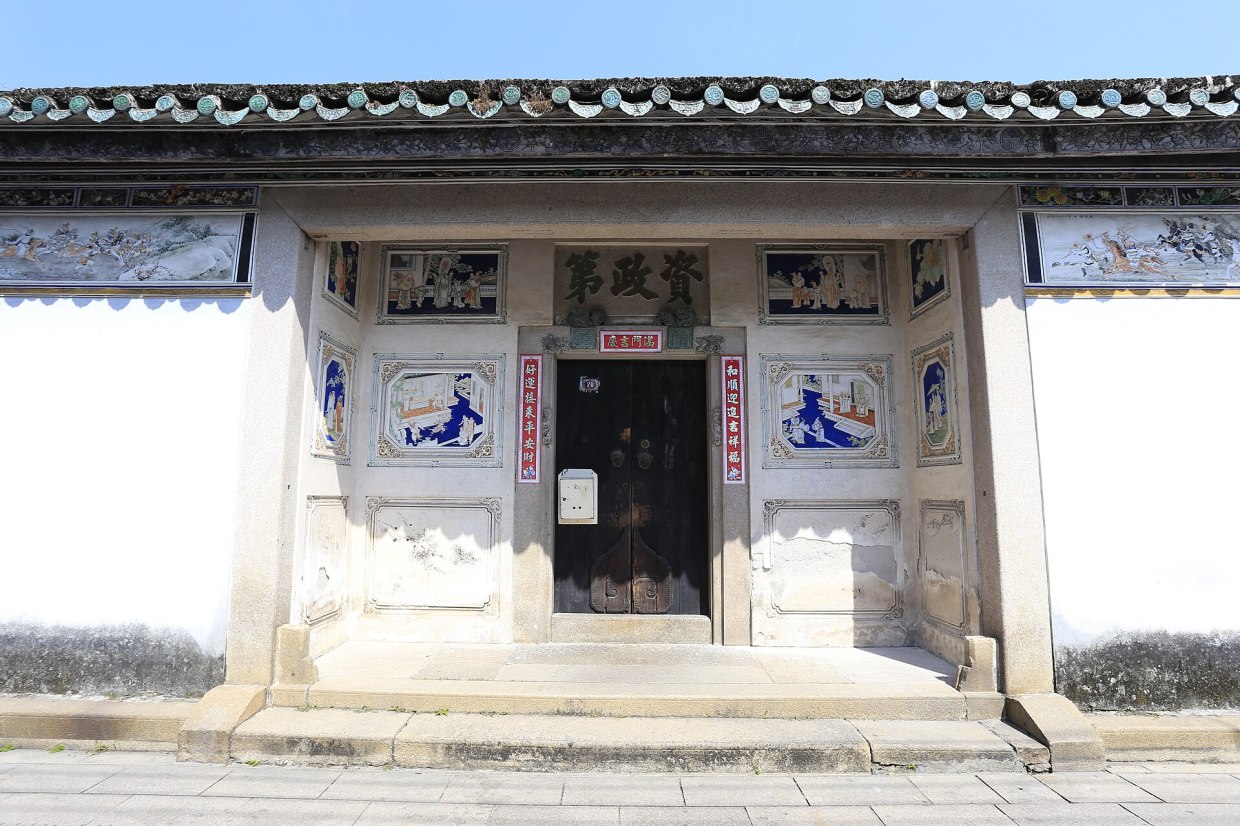
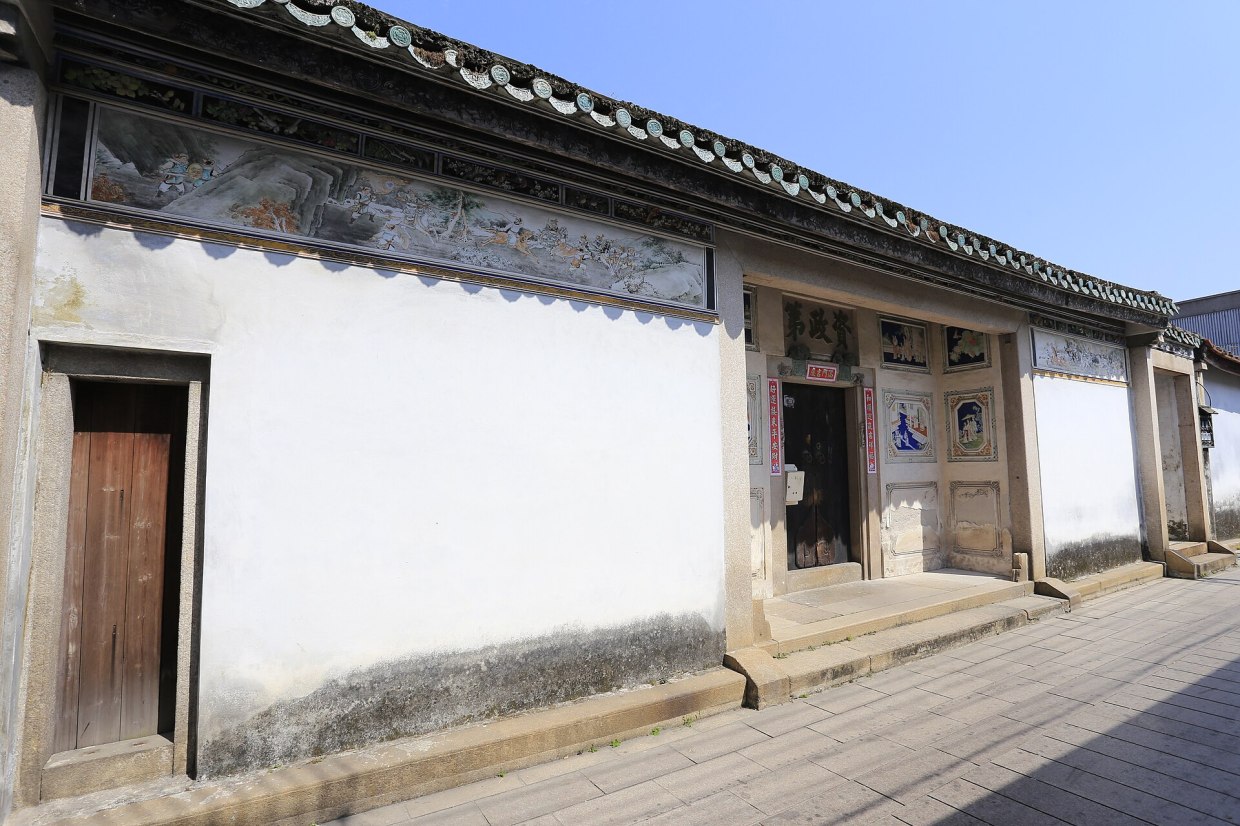
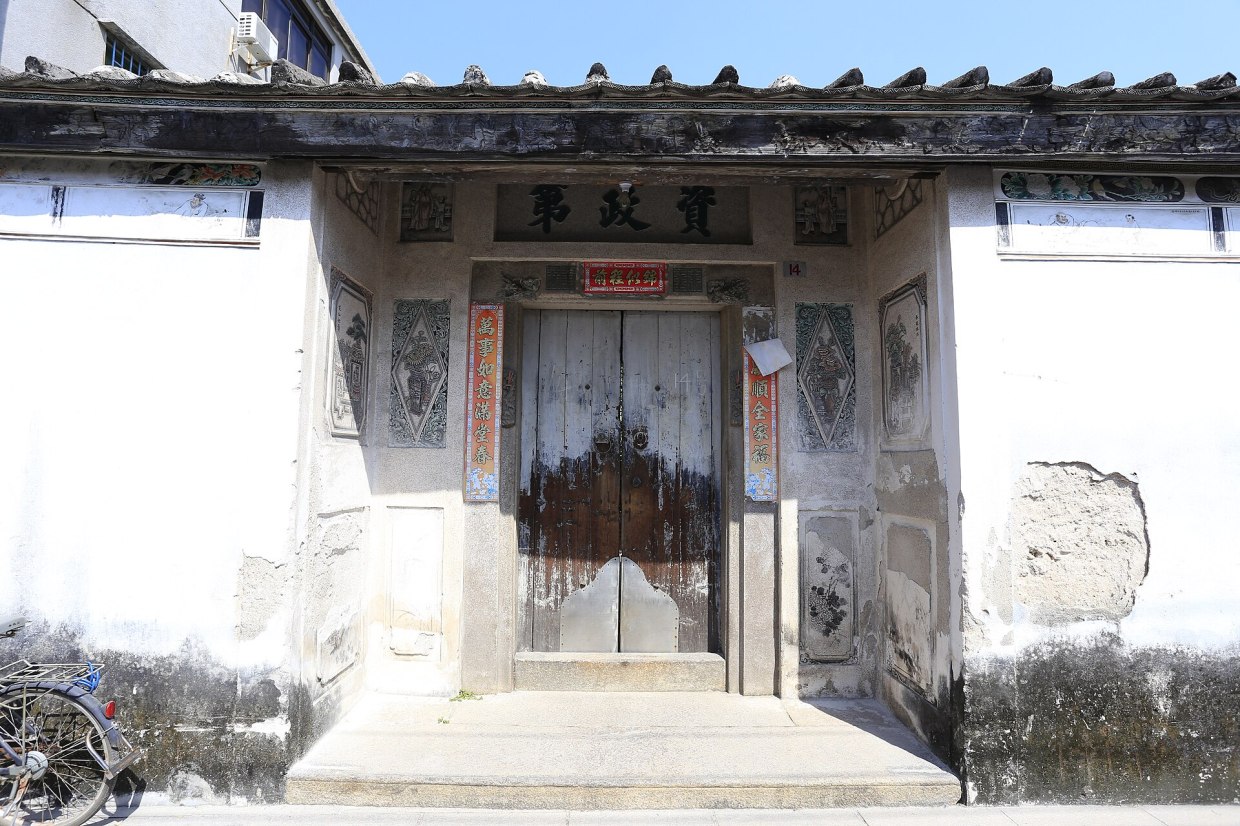
- What they share: the gatehouse on the centre line, the skywell for light and drainage, side ranges enclosing the court, gable walls carrying the roof; carving, porcelain inlay and stonework graded by what the owner could pay.
- What changes with date: Ming frames are spare and the timber is big; Qing ornament grows dense; republican doors, windows and facing materials begin to be imported.
What to look at看什麼
- Walk the lanes rather than hunting individual houses: go through each of the three quarters once and compare the width of the gatehouses.
- The skywell: light and drainage both depend on it; stand in one and look up at the roofs around.
- The gable walls: the curve of the flush gable and the ornaments on the ridge.
Visiting參觀提示
These are people’s homes, not exhibition halls. Ask before going in, and do not photograph people in the courtyards. The lanes are narrow; do not block a doorway.
Tickets and opening No ticket and no gate. Walkable at any hour, but the courtyards are people’s homes and are not open to visitors. No booking needed.
Related entries對應詞條
The Xu Fuma residence, the heritage list, the places index.
How the three quarters formed三片街區怎麼形成的
The Nanmen Ten Lanes, Xu Fuma and Old West Gate Street quarters are not planned new districts but the result of the prefectural city growing by itself through the Ming and Qing: lanes following drains and old walls, houses fitted into whatever gap there was, courtyard added behind courtyard. So the grain of the three differs — Nanmen Ten Lanes is dense, the Xu Fuma quarter open, Old West Gate Street narrow.
Listing them as a group in 2013 says that no single house would have qualified and that the value appears when they stand together: one lane reads from the Ming to the republic, a physical sequence of how the Chaozhou house changed.
The forms compared形制對照
- Sidanjin: four halls facing a central skywell, the most basic unit and the starting point of a wealthy house.
- Xiasanhu: a three-sided courtyard, one bay shallower, common among middling households.
- Simatuoche: a deep axis with side ranges, the plan of a large official residence.
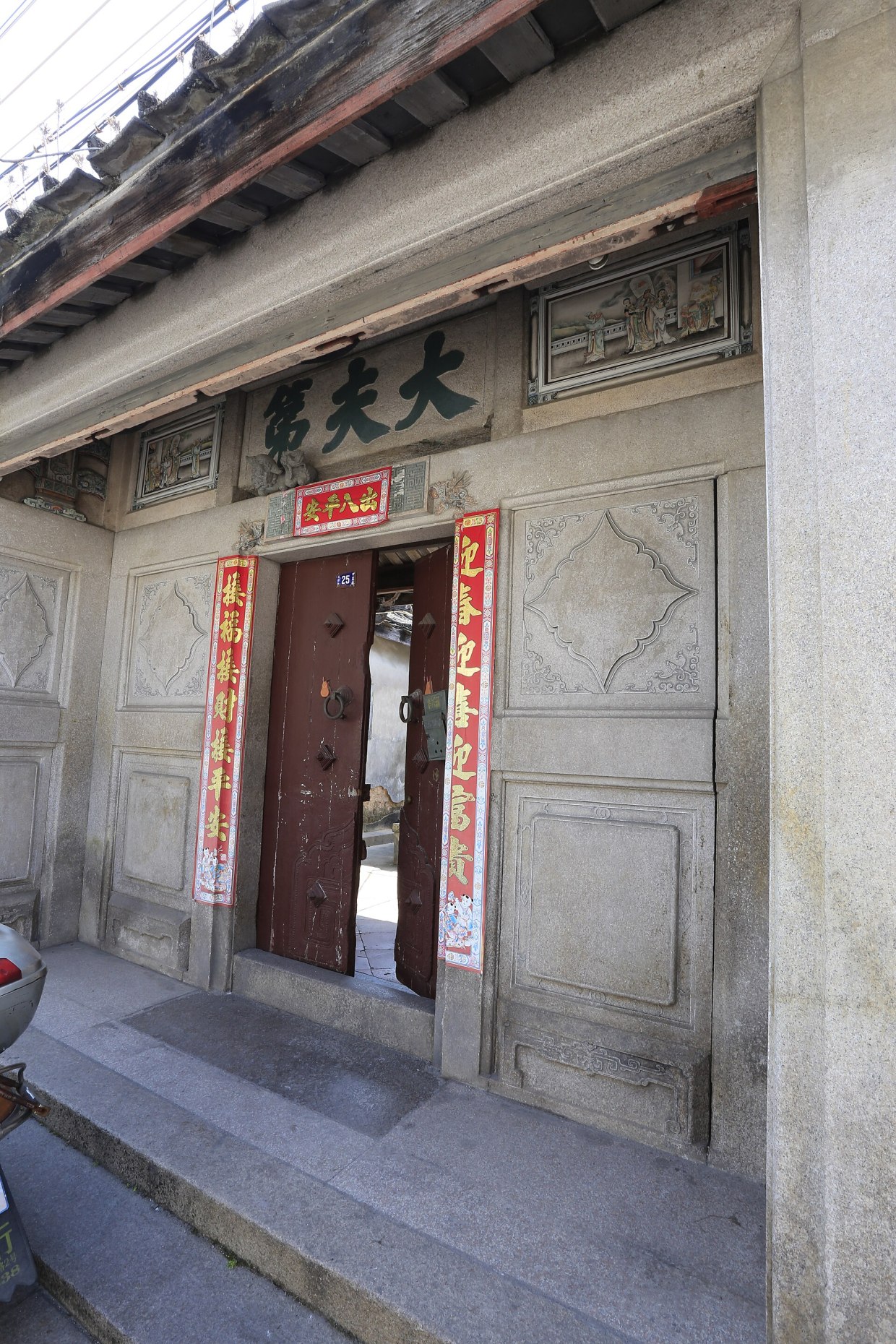
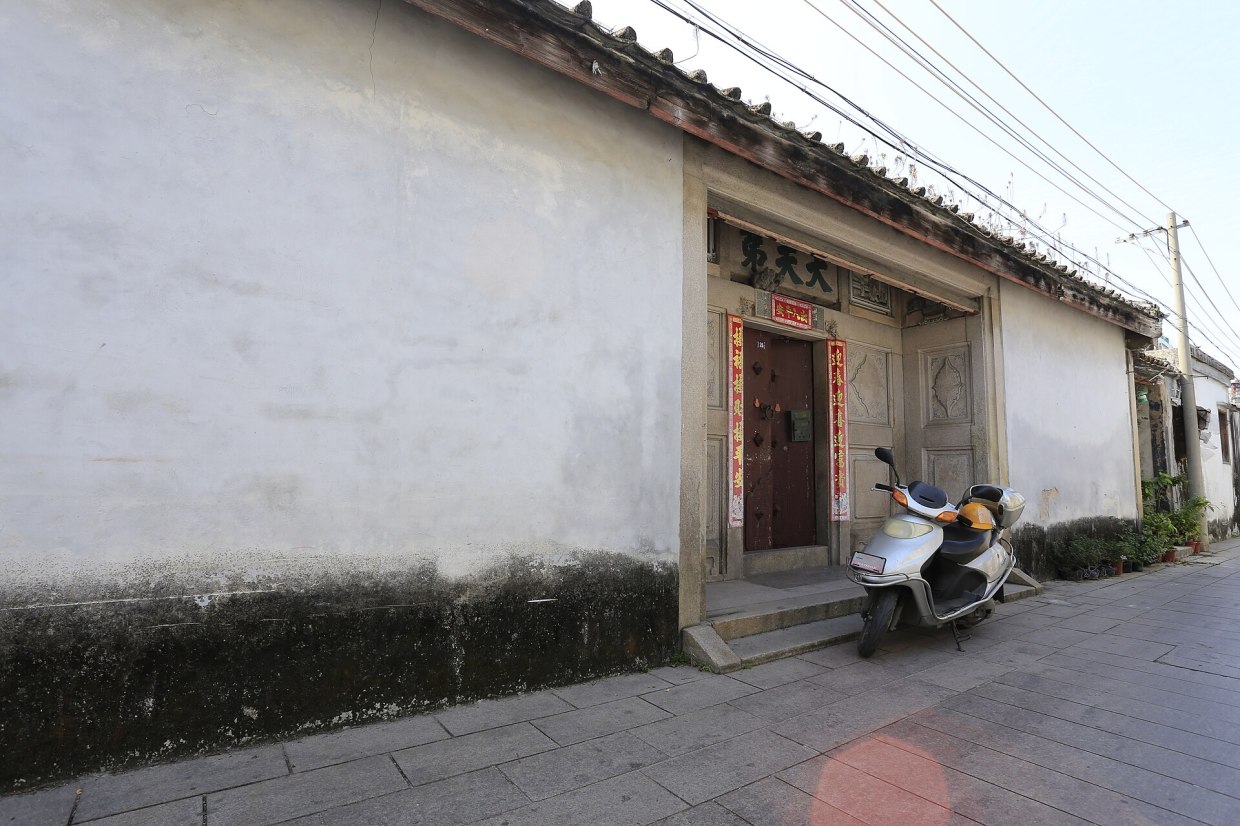
You do not need to name each house. Three clues are enough: the width of the gatehouse, which is rank; the size of the skywell, which is light and drainage; the treatment of the gable wall, which is date and money. Ming frames are spare with big timber, Qing ornament is dense, republican work begins to use imported materials. One lane covers all three changes.
Details細部圖錄
Each of the pictures below does one thing: enlarge a detail until the work can be seen.
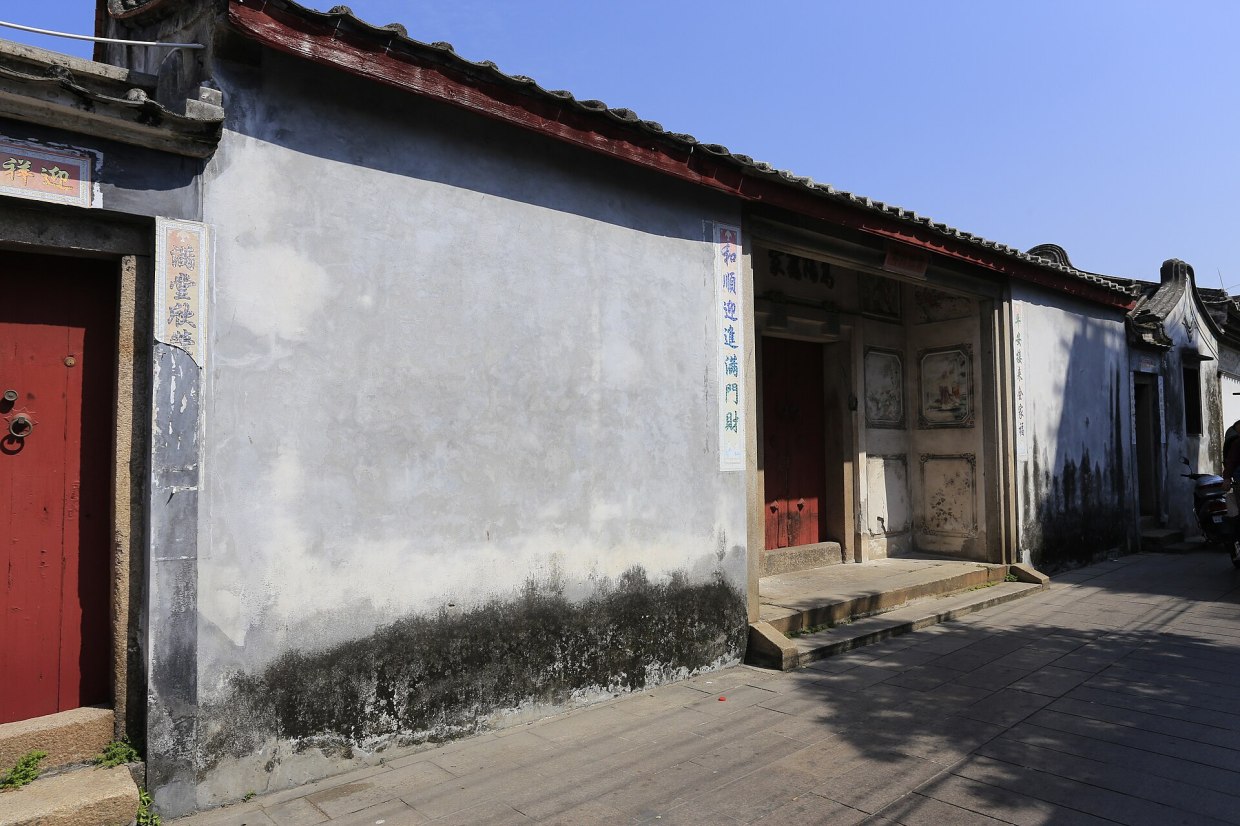
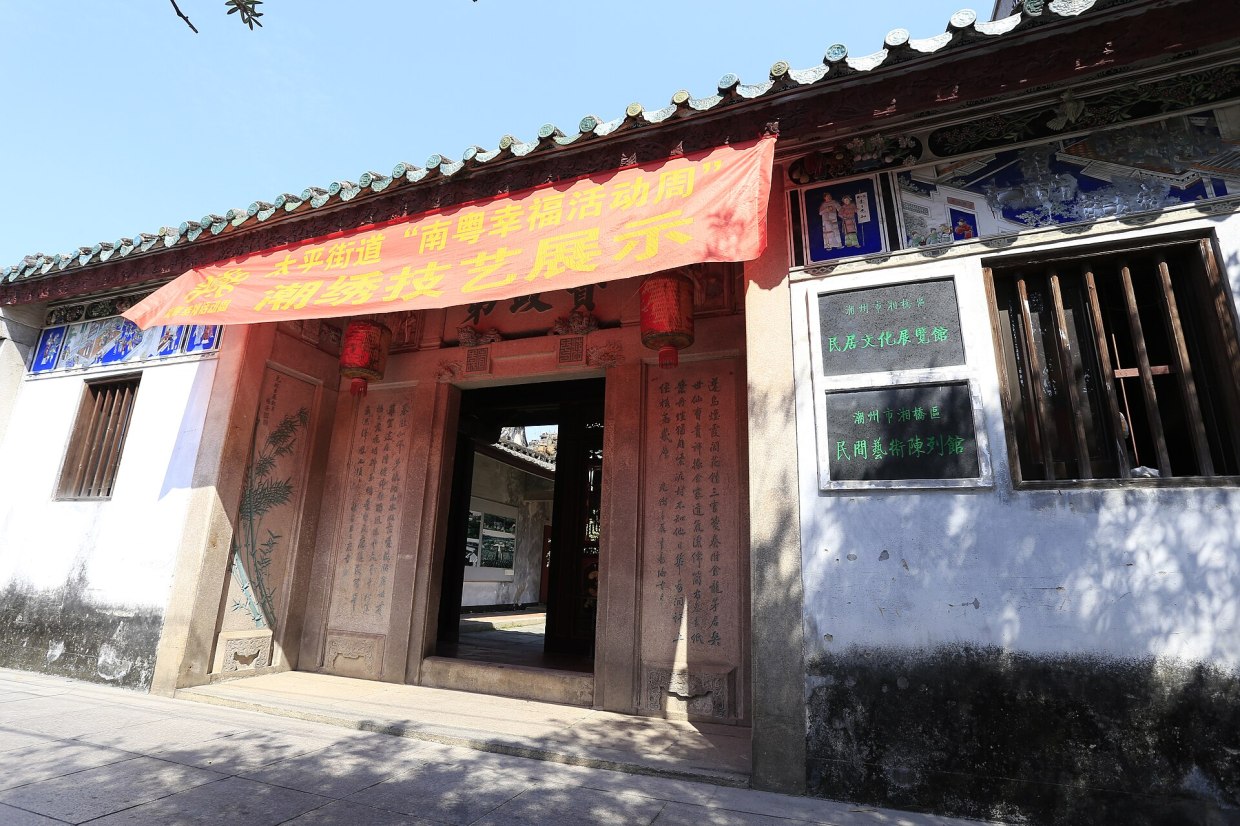
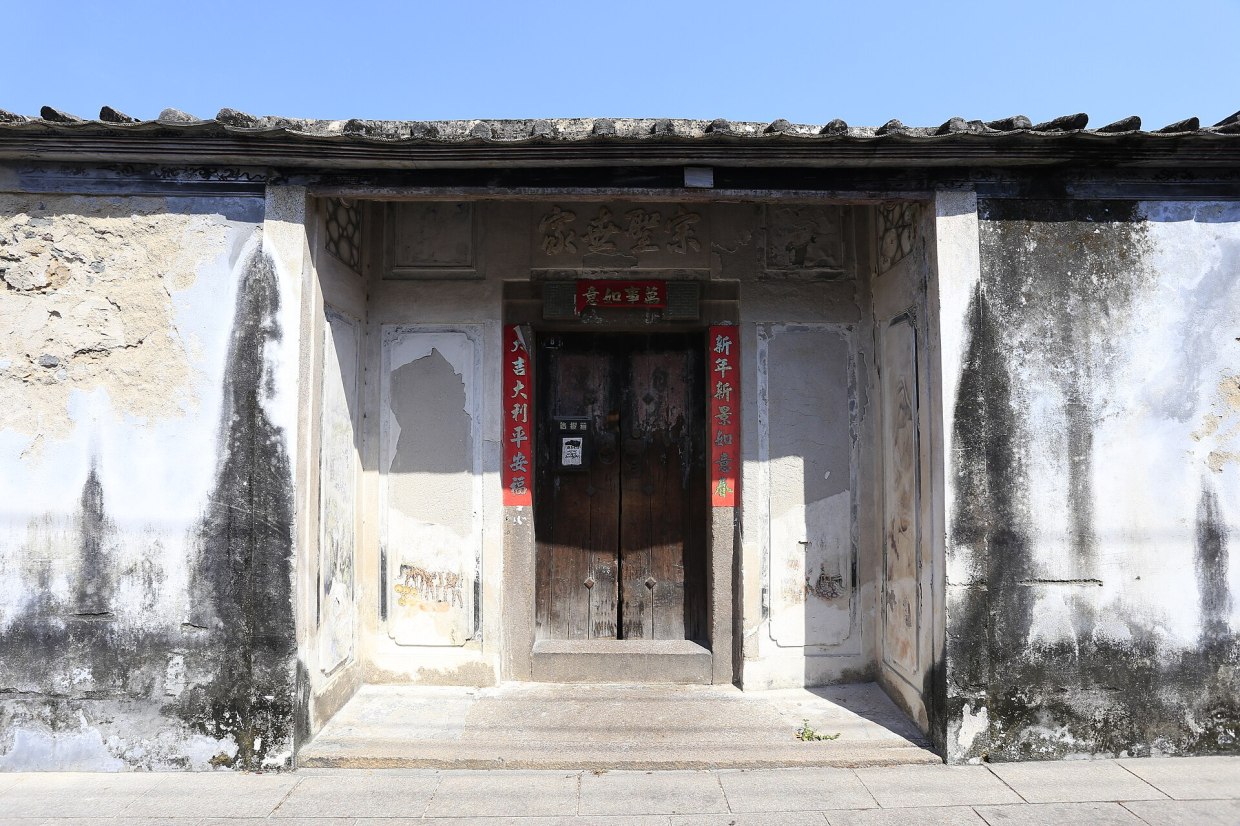
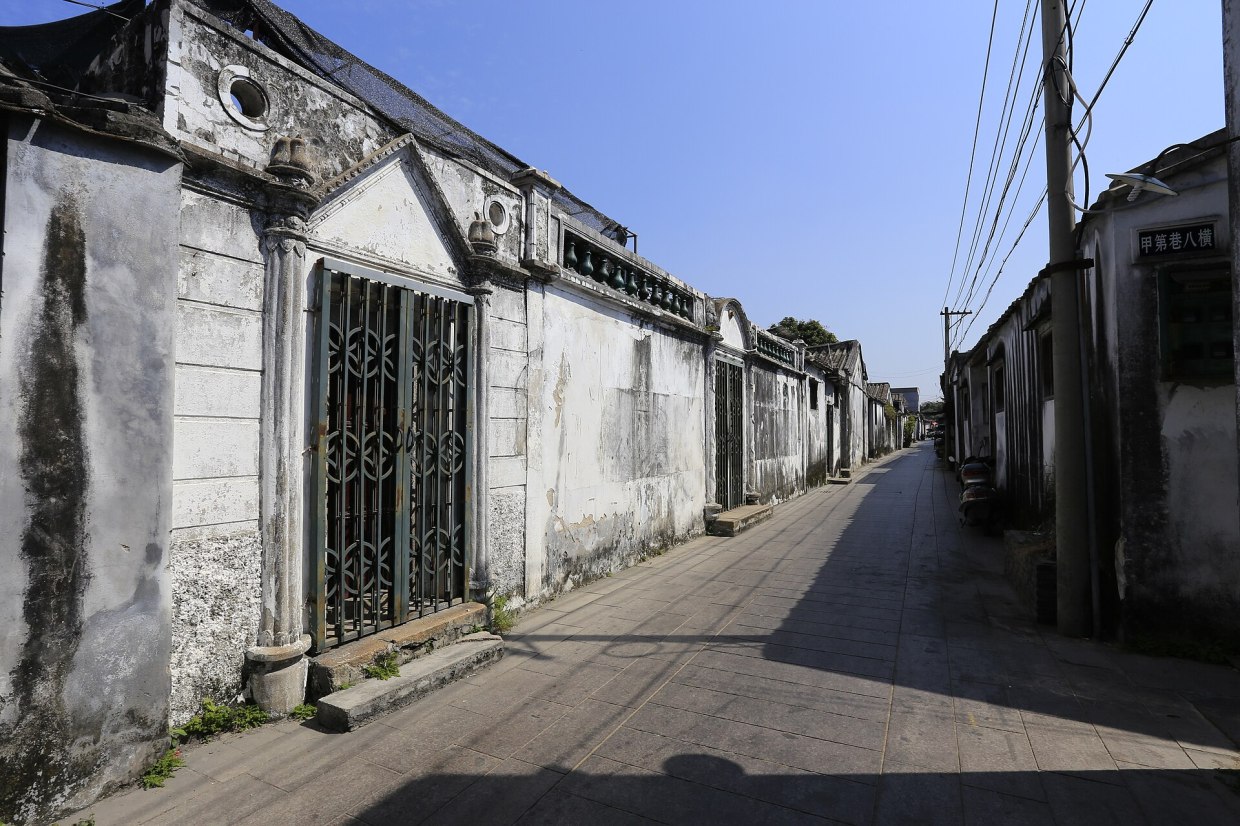
On the same trip同城順路
- The Xu Fuma residence — one of the three quarters is named after it.
- Paifang Street — also in the old city, walkable.
- The Jilue Huang ancestral hall — also in the old city.
Order them by map and by your own hours; this only says what is on the way to what.
Sources來源
The three quarters, the fourteen houses and the listing batch: China Qiaowang, ‘How Chaozhou became a model in conserving and using its heritage’; Nanfang Net, ‘The nine national protected sites of Chaozhou’. The forms of sidanjin, xiasanhu and simatuoche: the entries on this site under Sidanjin and under houses and settlements.
Home › Travel › Chaozhou › The old houses of Chaozhou
Last revised: 5 November 2026
 粤公网安备44522102000407号