Nao re, the word the other way round
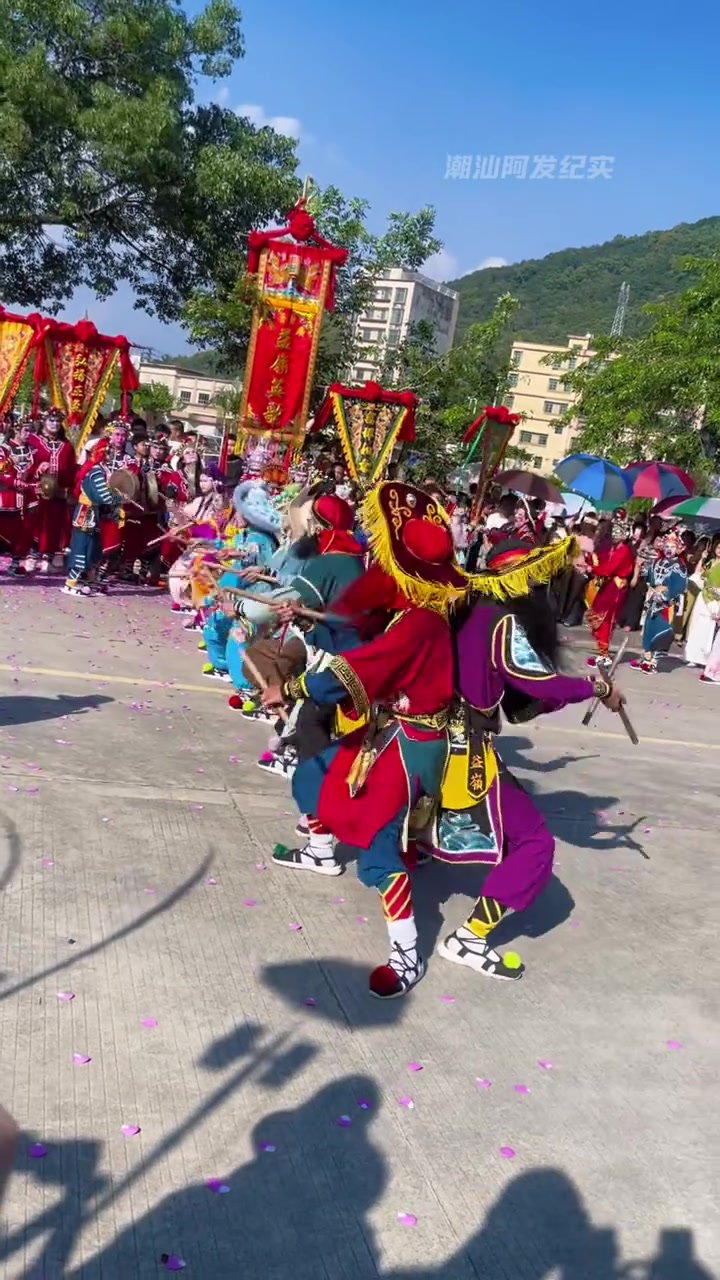
It is renao, “bustling”, with the two characters swapped, as Teochew orders them. Processions, house-warmings and weddings are all called nao re, and the more people come the more nao re it is.
Pronunciation nào rè|Dialect and emigration|One entry in the Chaoshan glossary
What it means
It means renao, bustling, with the two characters in the other order — the order Teochew uses. The days of a procession, a house-warming, a wedding or a shop opening are all called nao re.
It says more than loud: it says the place is full of people. The more who come, the more nao re; with nobody there it is wu nao re, not nao re at all. Turning a two-character word round is common in Teochew, as with renke for guest and liri for calendar.
How it is used
Asking “is it nao re this year” asks how the event went; saying “let us go and join the nao re” means going along for the bustle. The word carries a judgement, not a description.
Words easily confused
Nao re is about the scene, ying lao ye about the event; a procession may be held in a very nao re way, but nao re itself is not the name of a rite.
Read next: Teochew and Mandarin side by side.
Same group: the Teochew language, carrying the gods, zi niang, the word for a woman.
Home › Glossary › Dialect and emigration › The word the other way round
Text on this site is CC BY-SA 4.0; copyright in images is reserved and commercial use requires a separate licence.
Last revised: 4 November 2026