Chao ju, Chao opera
Sung in the local speech, with the roles divided into male, female, painted-face and clown, and the chorus answering from the wings; on the first national heritage list since 2006.
Pronunciation cháo jù|Craft and performance|One entry in the Chaoshan glossary
What it means
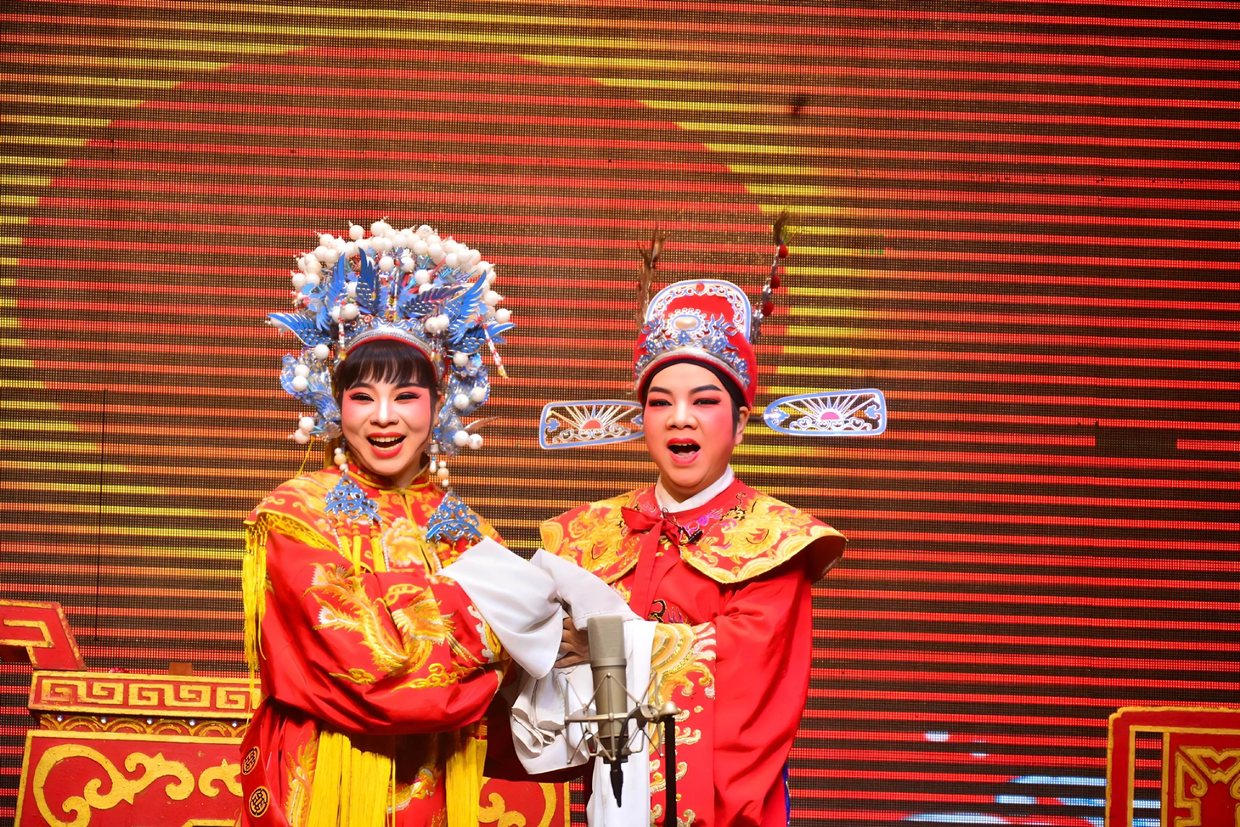
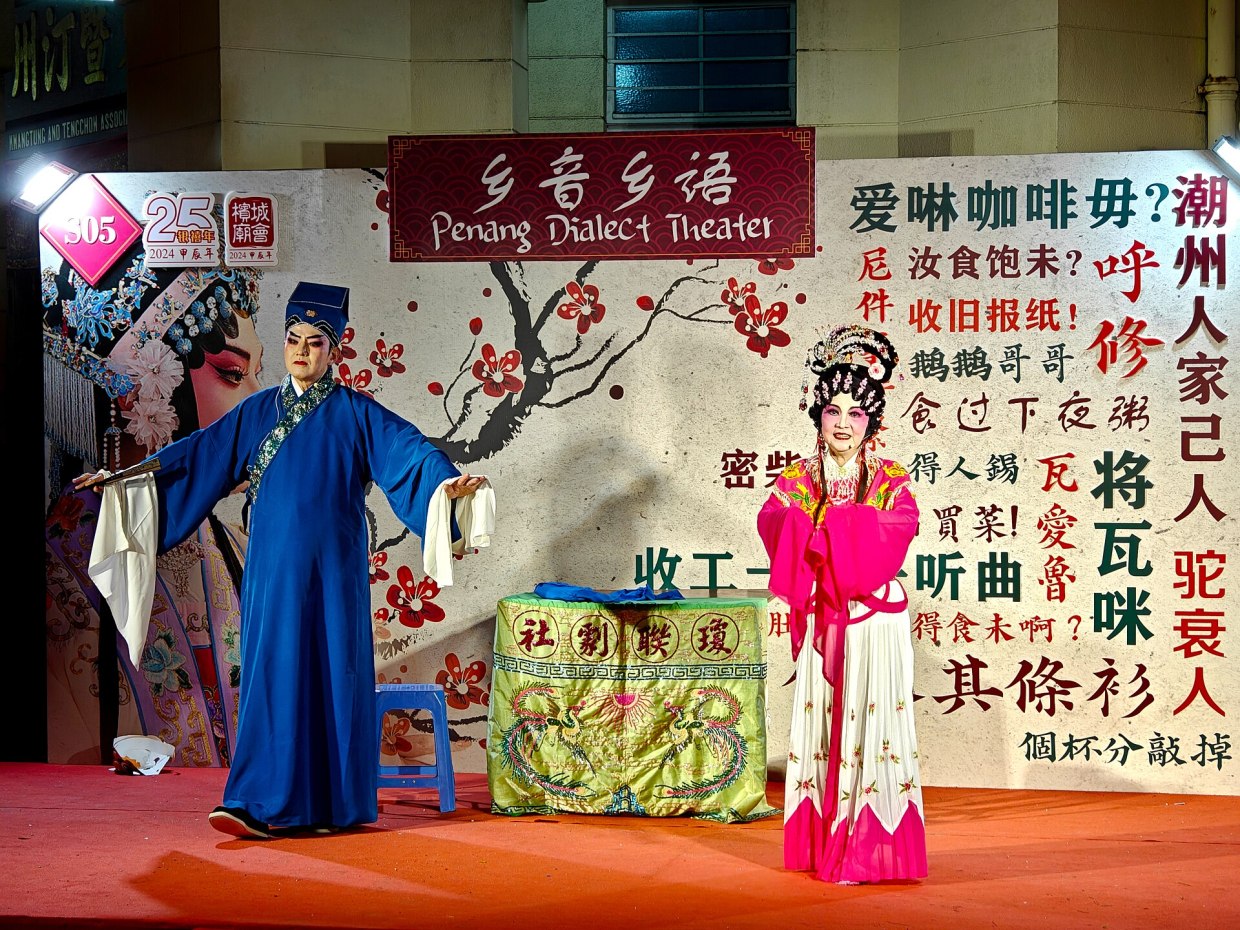
Sung in the Chaoshan speech, also called Chaozhou opera, Chao-sound opera, or Chaozhou plain-speech opera. The roles divide into male, female, painted-face and clown, and the singing has a chorus — voices from the wings taking up the line — which is the hard marker setting it apart from other regional drama.
The clown is where Chao opera is strongest. It does not rest on buffoonery: there are separate conventions and separate body work, several kinds, each with its own way of walking.
When you see it
Troupes are hired for a god’s birthday, for the first month, for the completion of a hall, for funeral rites. The prefectural gazetteer records that in mid-spring the ancestors are sacrificed and the wards put on plays, and the saying runs: lanterns in the first month, plays in the second — the theatre is part of the festival. In May 2006 it entered the first national list of intangible heritage, number Ⅳ-4.
Words easily confused
Chao opera is theatre, Chaozhou music is music; they share a stage and are not the same thing: one has impersonation and a script, the other only tunes.
Read next: Chao opera: roles, chorus and stage.
Same group: Chaozhou music, songbooks, Dawu clay figures.
Home › Glossary › Craft and performance › Chao opera
Text on this site is CC BY-SA 4.0; copyright in images is reserved and commercial use requires a separate licence.
Last revised: 3 November 2026