Bai lao ye, the worship
The general word for everyday offering: incense at home on the first and the fifteenth, offerings at the hall on the gods’ birthdays and at the festivals, the spread left to each household’s means.
Pronunciation bài lǎo yé|Belief and processions|One entry in the Chaoshan glossary
What it means
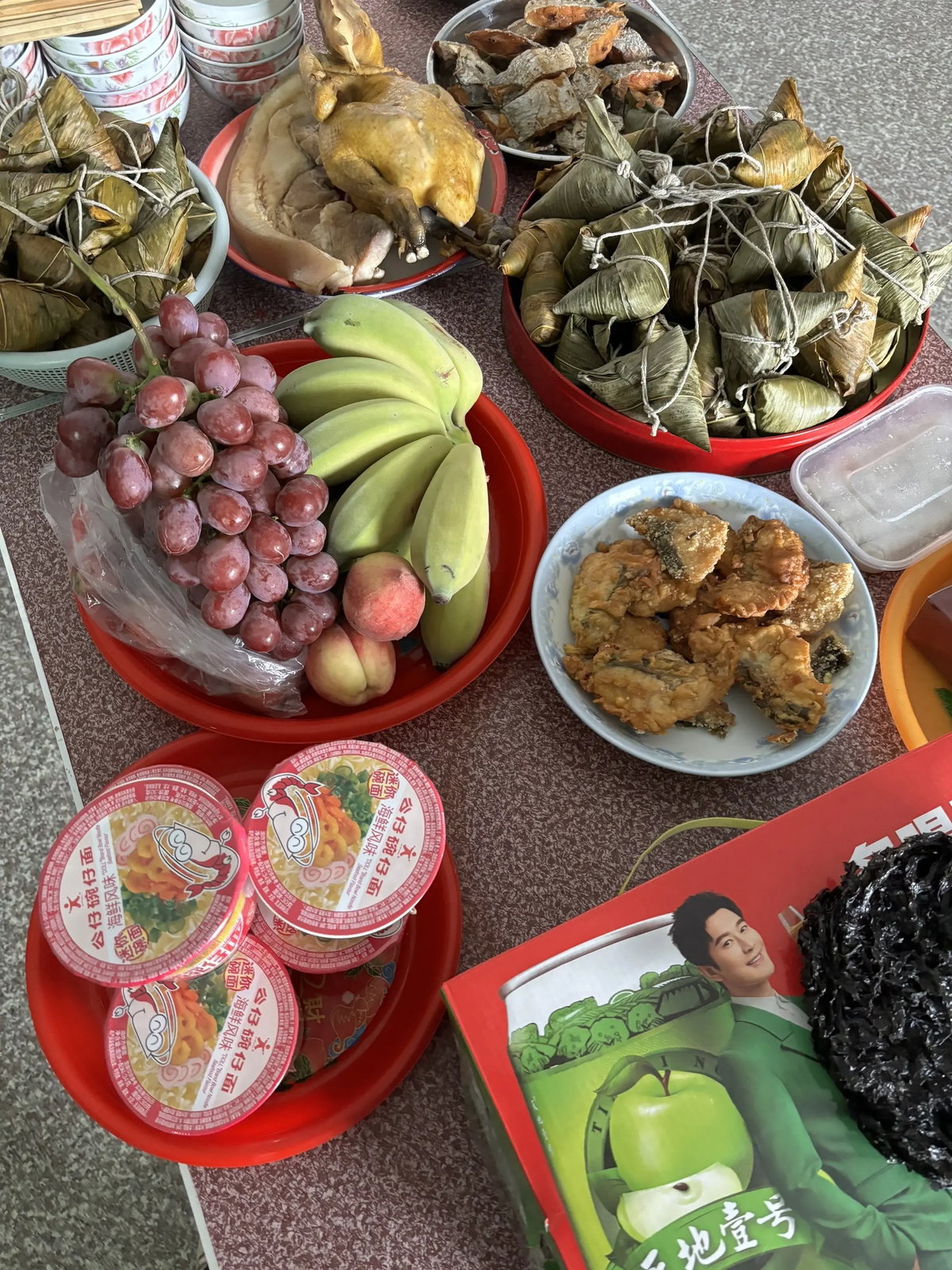
At home you worship the few the household keeps, their incense burner standing in the hall; at the hall you worship on the hall’s own days. The offerings are the three meats, rice cakes and fruit, and each household does what it can afford — there is no fixed specification.
The actions are fixed: light the incense, give your name and where you live, state the matter, set the incense in the burner, burn the paper. The hall has a caretaker for oil money and for asking about dates.
When you see it
The first and the fifteenth are the ordinary occasions; the gods’ birthdays and the festivals go by the calendar; people also worship before a long journey, on moving into a house, and around a wedding. Tables set out at the door or on the open ground, one after another, are a common sight in the streets here.
Words easily confused
Bai lao ye is a verb phrase, not a god’s name. Laying on a feast for guests is called shi zhuo and is a different thing: one honours the gods, the other receives guests, even though the two often happen on the same day.
Custom in Chaoshan villages; this page describes only, and neither endorses superstition nor prescribes behaviour.
Read next: Local religion and processions.
Same group: lao ye, the gods’ birthdays, the eight festivals of the year.
Home › Glossary › Belief and processions › Bai lao ye
Text on this site is CC BY-SA 4.0; copyright in images is reserved and commercial use requires a separate licence.
Last revised: 3 November 2026